Journaling - Is It All Hype?
Journaling — One Author’s Simple Daily Practice
Journaling is one of those things people grabbed onto in the writing world that took off and has become a burden for certain individuals. Sometimes, when you think about journaling, the questions pile up—what to write, how to start, what time of day, complete sentences or fragments, keep it private or share it? And on and on.
For me, journaling has to be natural and shouldn't seem forced. Do I journal? Absolutely, every day. Some may say that's too much — I can't do it, it takes up too much time. To those individuals, I would say, then no, journaling is not for you. But it could be.
How Did I Start Journaling
Let me start at the beginning. I'm a morning person and always have been. I wake up every day between six and seven, like clockwork. I've tried everything to sleep later — eye coverings, a completely dark room, cool temperatures, going to bed late, watching what I eat before bedtime, and turning off social media. Did any of it help me wake up later? No!
When my children were little, this early morning time helped me organize their school bags, do laundry, make breakfast, and get them off to school. It became essential because my husband traveled a lot. My mind works in an organized way — it's the only way I know how to function.
Even on vacation, no matter where the family went or what time zone we were in, I always woke up early. I remember one year we traveled to California — three hours behind the Midwest. We were sitting at dinner discussing plans for the next day when my daughter turned to my husband and said, "Don't let mom go to bed early — she'll wake us all up!" The next day? Yep. Up early.
Having this quiet morning time has served me in several ways. I always used it to organize my day. I taught elementary school for many years and found that most of my creative ideas came to me in those early hours. That time was precious to me — and once I left teaching, my eyes still popped open between six and seven.
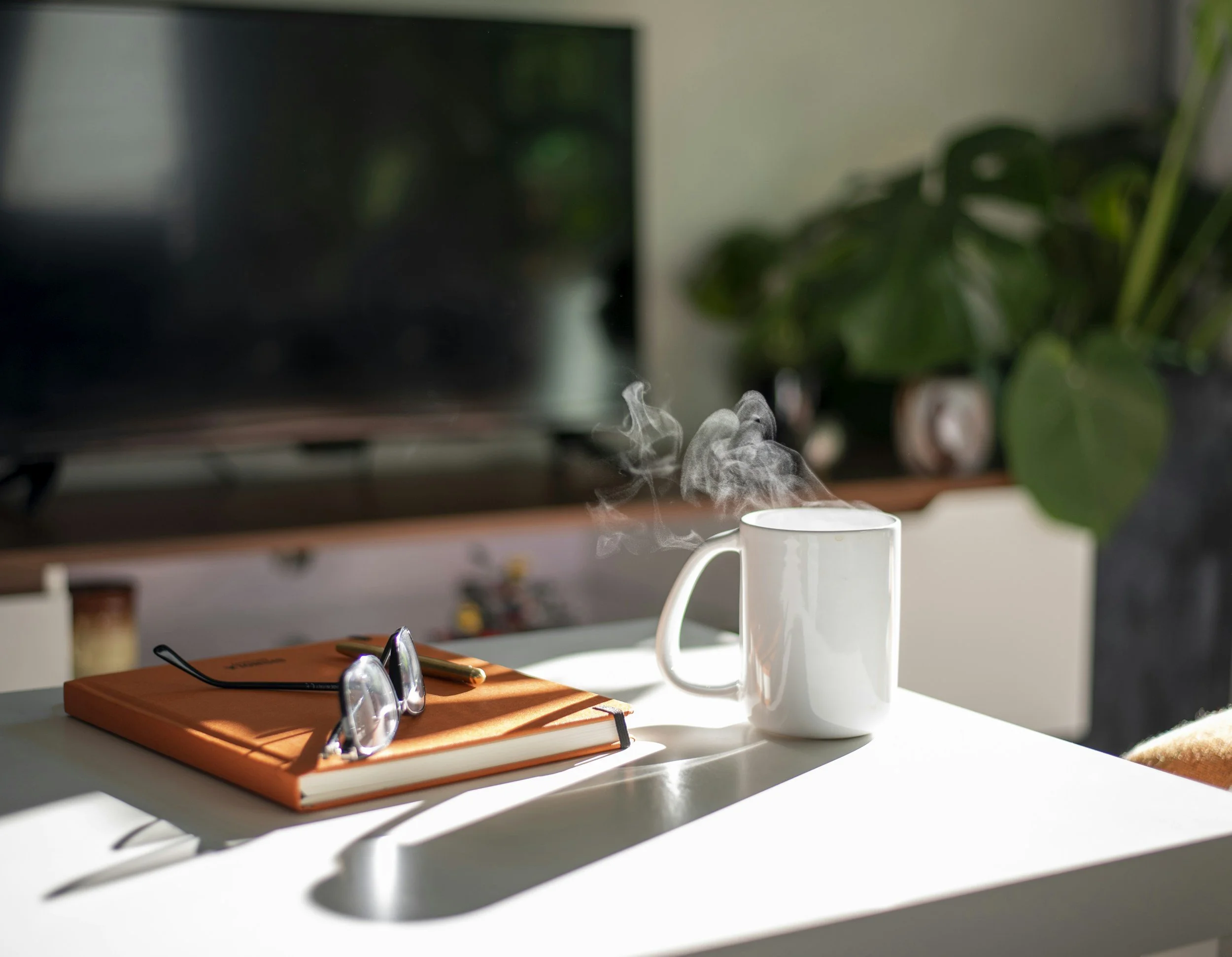
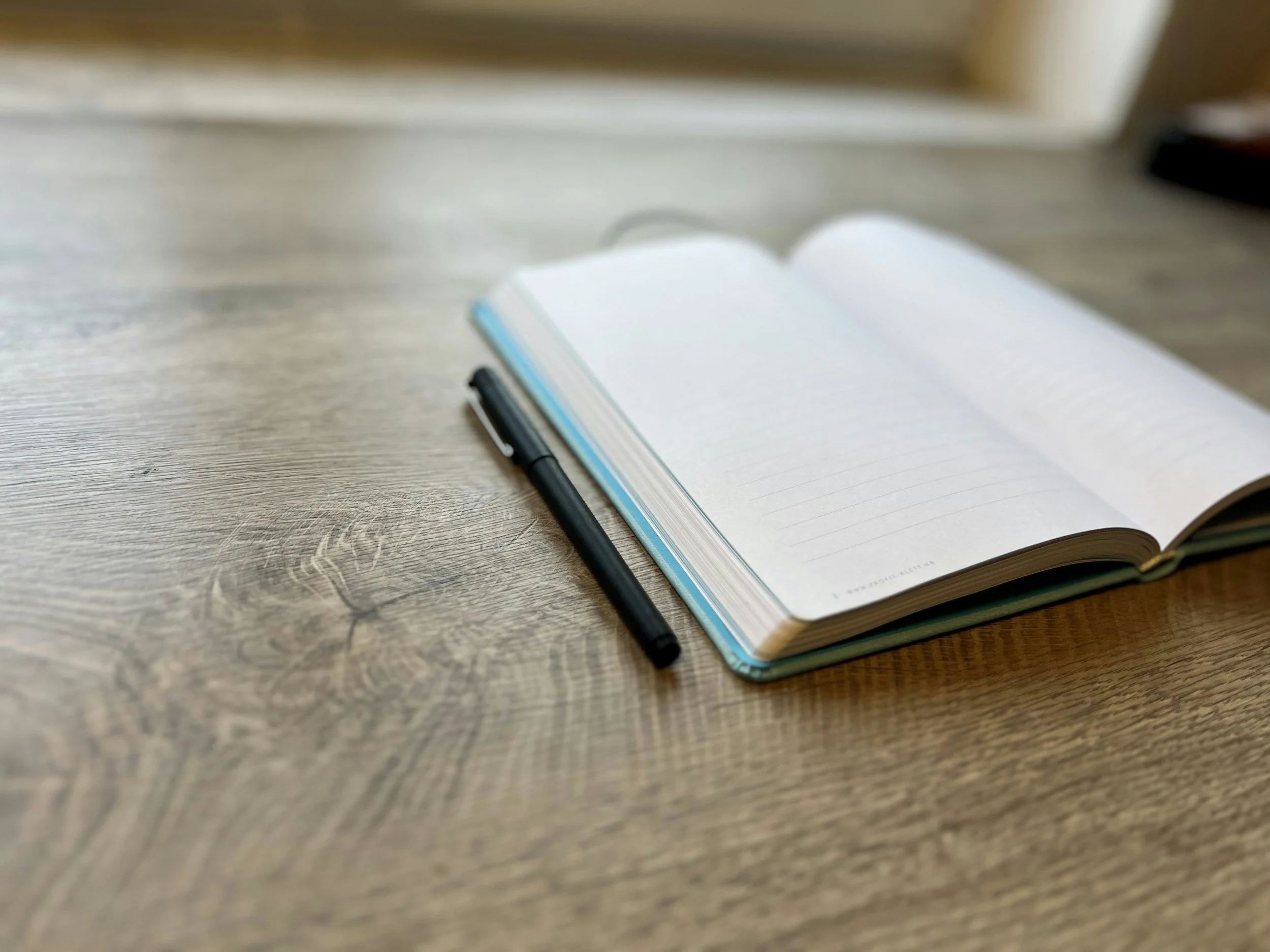
What did I do with all that quiet morning time after teaching? I bought a journal. Not an elaborate one — just a plain ordinary one with lined pages.
What Did I Write
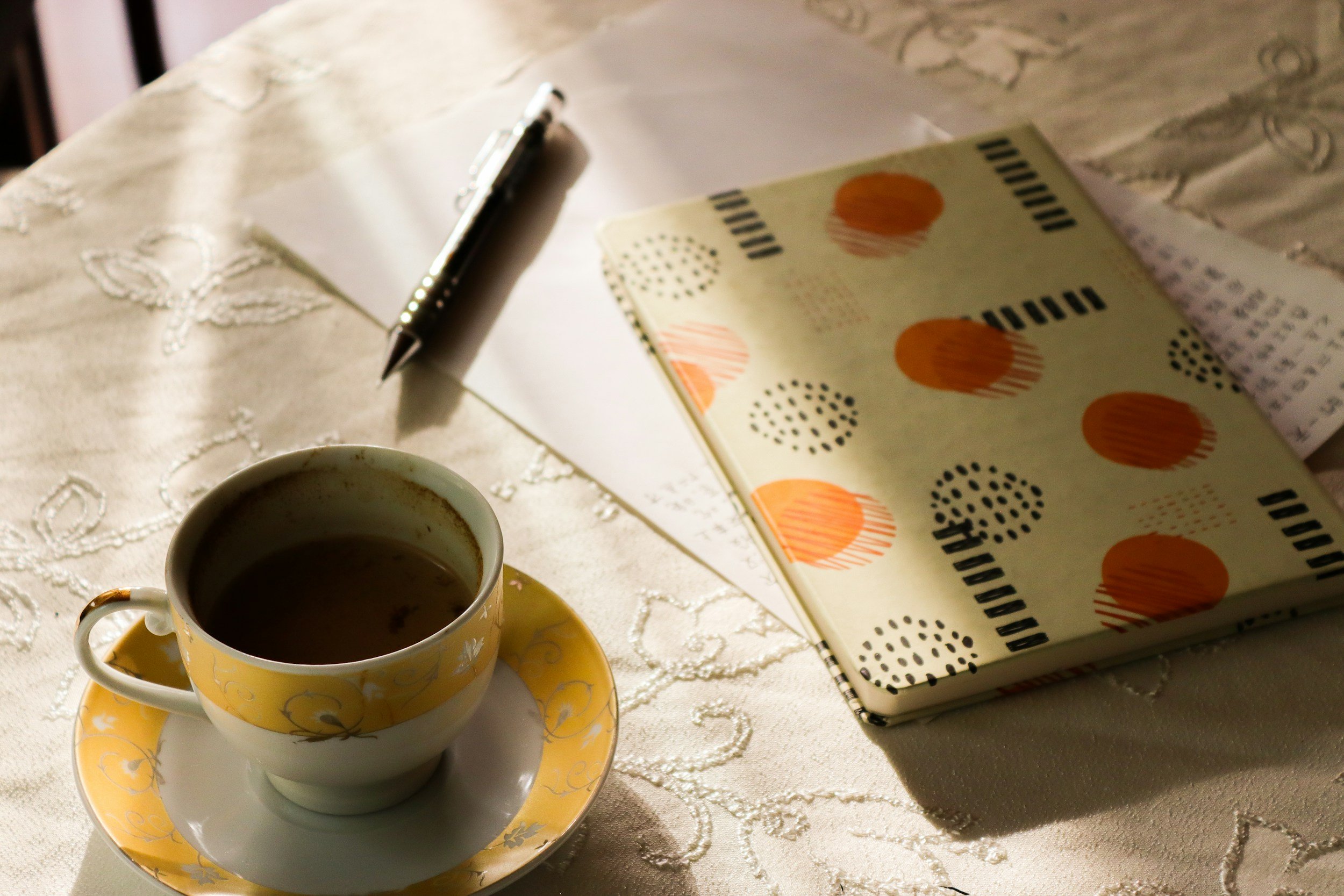
Nothing fancy. I started by reflecting on the day before. What had gone right? What did I do? How did I spend my day? Did anything remarkable happen? Most days, nothing remarkable — but I found a rhythm to it. It organized my thoughts so I could do better the next day.
At first, I didn't set a timer or limit my writing. Some days I wrote for thirty minutes, some for an hour, and occasionally just fifteen minutes. But this quiet time set the stage for thinking about my novel — how I could develop the storyline, where the characters needed to go next.
What's interesting is that I wrote the journal by hand. The novel I wrote was sitting at the keyboard. And to this day, that works perfectly for me.
Everything felt natural after I started journaling. The first thing I concentrated on was how I slept the night before. I discovered that after journaling for a while, waking up early didn't bother me at all. In the quiet of the morning, reflecting on the day before was actually calming. It gave me a blueprint for going further — for enjoying the simple things, like that first morning coffee, or checking the weather so I could get outside and walk.
But it all goes back to my Grandma Cole, who encouraged me to write letters when I was young. Maybe she saw something in me — a natural ability she knew I would foster in later life. And just like clockwork, the minute she received a handwritten letter from me, she would quickly write back. I used to love going to the mailbox and finding her letters waiting. Some of which I still have.
This early morning time has been useful in ways I hadn't fully realized before. And I can be as quiet as a mouse without disturbing anyone who has the pleasure of sleeping in. Do I envy people who can sleep at the drop of a hat or take afternoon naps? Absolutely. But I have never been one of those people. So I'll do what is natural for me—journal in the early hours.

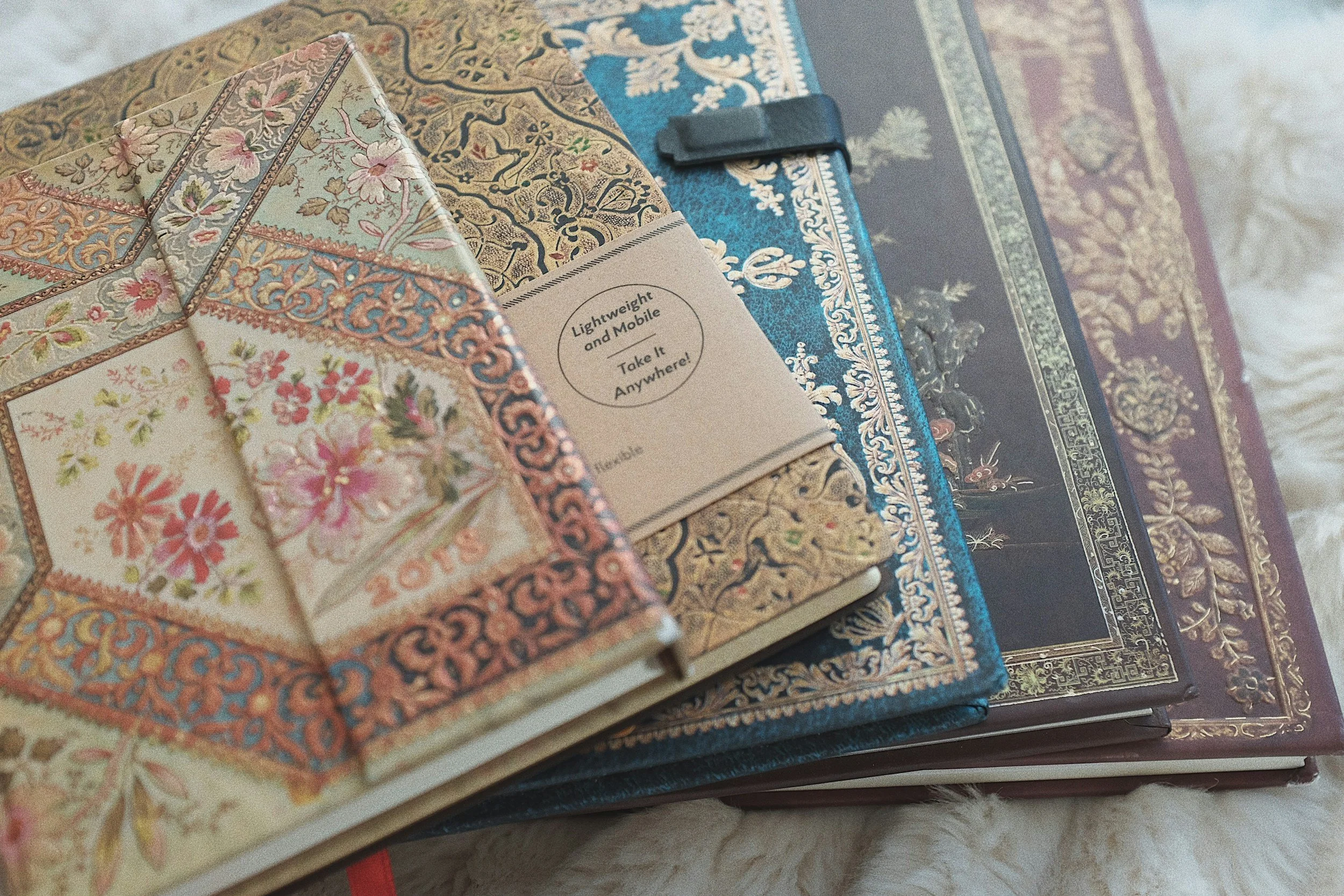
Do I Keep My Journals?
I kept my journals during the early stages of writing and would reflect on them from time to time. But today? No. I write, and when the journal is full, I toss it.
I remember one of my sisters said, "I'd be afraid someone would read my thoughts." And my answer was simple — then journaling is not for you. You can't be afraid of what you write down or how you spent your time. Journaling is freeing for me. I reflect on what has gone right or wrong and use it to improve my life.
Journaling has been my compass. It's a way to express myself — and if someone picks my journal out of the trash, it doesn't bother me in the least. My name isn't anywhere in it—just dates and what an ordinary human did the day before.
Why Not Try Journaling
Here's a simple way to start—and you don't have to be an early-morning person at all. Anyone can journal at any time of day.
Pick up a simple journal — Target usually has a great variety that are inexpensive. Date your entry and use a pen that's comfortable for you. Nothing fancy required.
Start by reflecting on how you slept, whether you had dreams, or how the weather was the day before. I always begin with gratitude — a good night's rest, clean water, shelter, food on the table.
After gratitude, I reflect on the day before. Who did I see? What went well? How did I feel? What ideas came to me? Did I have a good conversation with someone? Did I connect with one of my siblings? How did my husband's day go? Did I exercise? Did I walk and chat with a neighbor?
Simple. Nothing extravagant or complex. Just a personal record of your connection to yourself and the people around you. That's it. And for me, it's freeing — it unclutters my mind for the day ahead.
This blog came from my journaling this morning. I didn't plan to write it. But I woke up at six, had the idea, and here we are. If my experience inspires even one person to pick up a journal and start writing — that's enough for me.
My advice: don't make it complicated. Make it simple — and start writing!
In the meantime, keep writing! — Dianne