Selecting Character Names is Easy… Not So Fast
Main Protagonist
After reading the manuscript aloud, I realized another problem: I had too many characters.
They didn't flow. They were all over the place. And I started wondering—were my character names strong enough? Did it even matter? Or was I overthinking the whole thing?
The first thing I did was look at the top ten lists of novels in my genre. I wondered how many characters were in these books. Novel after novel had the same pattern: three to five major characters. That was it. Not ten. Not twenty. Just a tight core cast that readers could track and care about.
So I had to cut characters who didn't serve the plot—the ones I'd added because I thought I needed more people, not because the story did.
But let me start from the beginning, when I had hardly any sentences down on the page of the first draft. At this juncture, I didn't even have a name for my main character. At first, I just used my name.
The Walk That Changed Everything
School was out, summer was here, and the time had come to start seriously writing the novel. I had a few chapters written, but I couldn't figure out the right name for my protagonist. It became frustrating.
One of the first things I thought of was gathering lists of female names—baby books, famous women, actresses, my old yearbooks, anything that would spark an idea. Nothing worked.
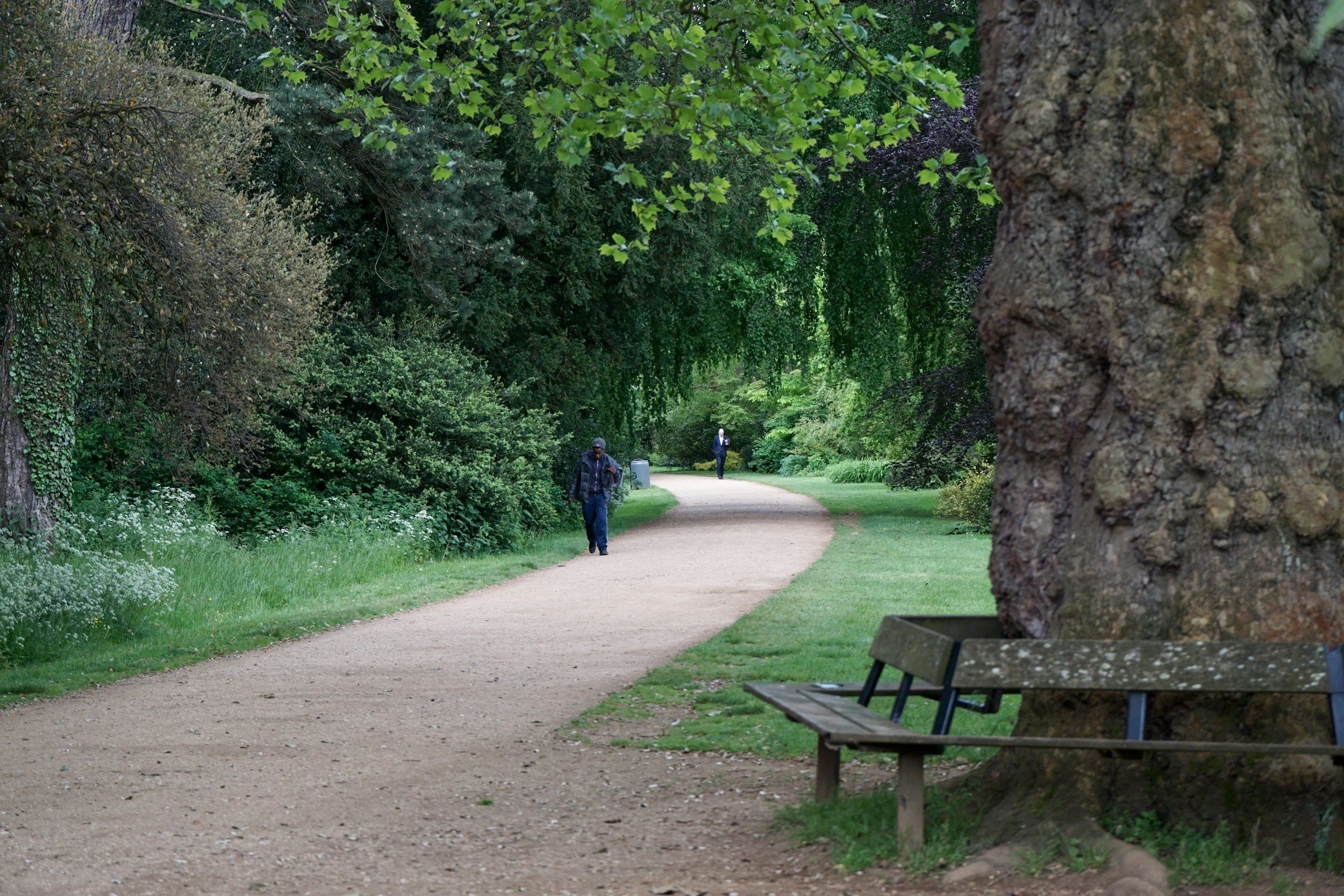
After stewing at the laptop, I decided to take a walk. The sunny day invited me out. I gathered my earbuds, searched for something positive to listen to, and started walking—letting my mind wander while voices echoed in the background.
About an hour passed. My mind cleared, and I could feel the sun on my face. My walking had a rhythm, and the background noise seemed unimportant. I had honestly stopped thinking about names.
I turned the corner toward home and headed up the drive. I walked inside the house, refreshing my laptop, with my earbuds still in, and took a deep breath while taking off my shoes. Then I heard it:
"Her name is Grace."
I sat back in my chair.
Grace.
Perfect.
Was it from a podcast I'd been half-listening to? Did someone say it? Did I imagine it? I have no idea. And it doesn't matter.
Because the moment I heard the name, I knew. That was her.
Grace. Seeking Grace. Of course—Grace, which means forgiveness, kindness, showing compassion. Living with the burden of a secret she'd witnessed as a child, and the impossible question of whether her father had protected her or betrayed her.
Grace.
And just like that—poof—my protagonist had a name.

But She Needed a Last Name
Grace was perfect, but Grace what? The main character required a last name. She couldn't be just "Grace."
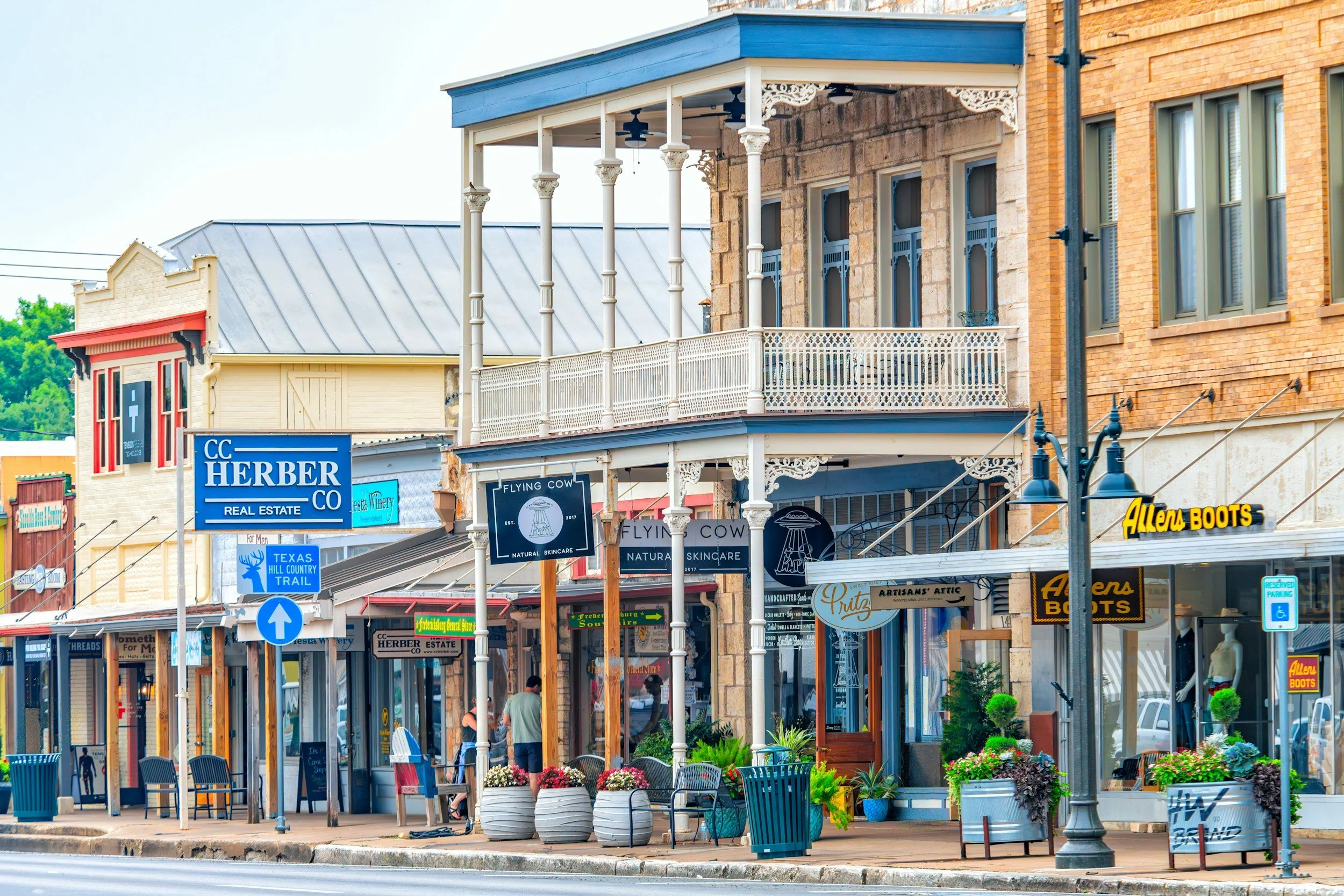
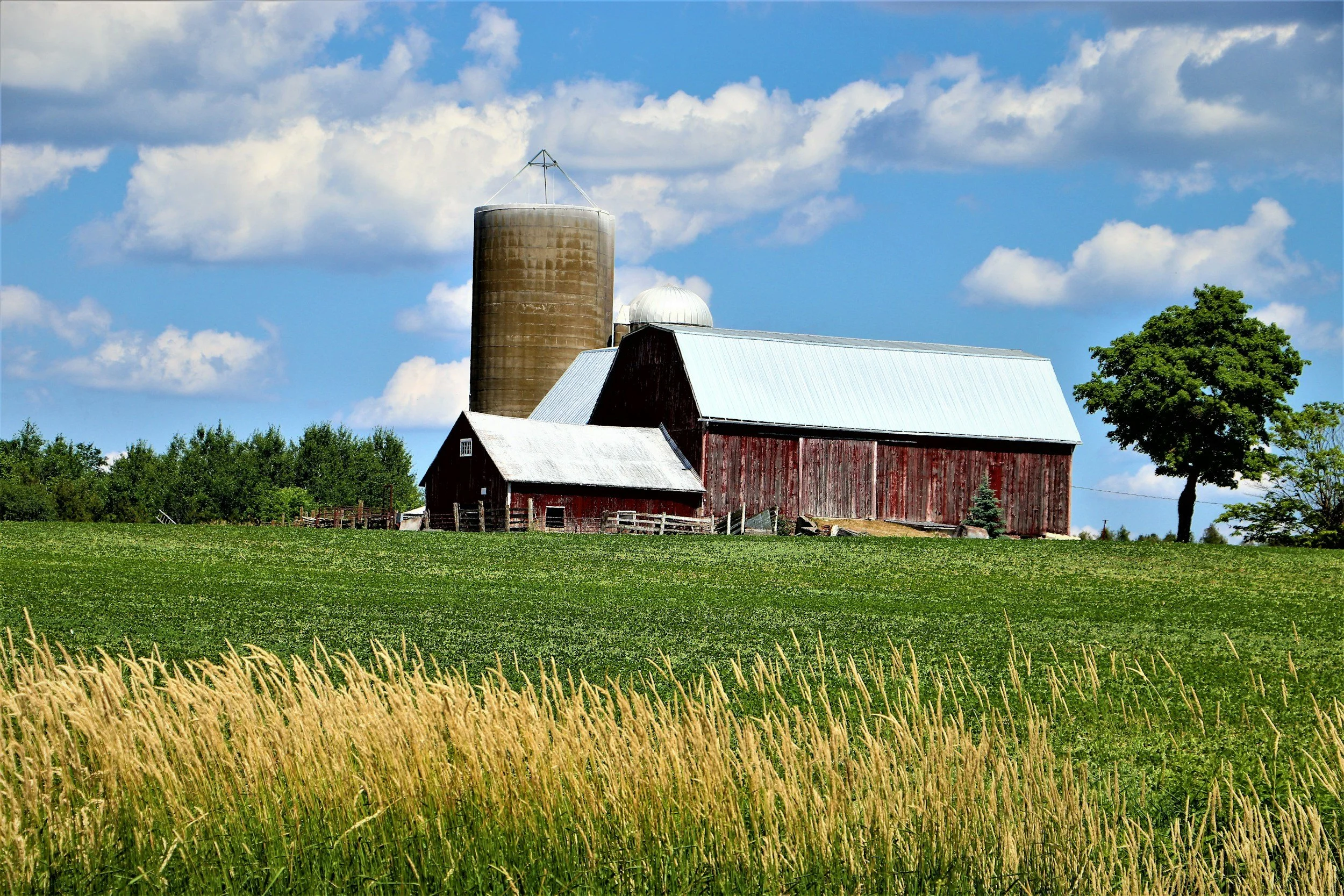
Thinking back to my childhood, our family lived in rural Michigan. I'm talking back roads, no pavement, corn fields, and lush woodlands. Beautiful and simple.
I began thinking about one of my best childhood friends. We went to school together, and I loved staying over at her house. Her parents were lovely, and they owned a jewelry store in Toledo, about 10 miles from the Michigan border.
My friend's parents didn't want her to grow up in a big city. They built their home close to a main artery to commute to Toledo, but in a small rural area. Their last name was Thomson.
Grace Thomson.
I heard "Grace" in a mysterious voice. I borrowed "Thomson" from my best friend.
And she became real.
The Villain Who Came From Childhood
My villain's name came from a different kind of memory.
When I was a kid, we had a neighbor who terrified me. His name was Butch.
I kept "Butch"—one syllable, hard consonant, menacing. Perfect for a villain.
But I don't want to mention the last name because maybe I was the only one who was frightened of him. I changed it to "Jager." It means "hunter" in German. My killer was a predator. The name needed to reflect that.
Butch Jager was born—half childhood fear, half deliberate craft.
What Do the Experts Do?
Remember that summer I spent reading my manuscript aloud at the beach? This process led me to the obvious: I had too many characters.
My husband and I couldn't keep track of everyone in the story. How would readers?
So I did what any panicking writer does: I googled.
I wondered: How did the greats—Hemingway, Fitzgerald, E.E. Cummings—name their characters?
Turns out they drew from real life: people they knew, events they'd lived through, nicknames that revealed personality, historical records, cultural backgrounds.
In a nutshell, there are many methods for authors to name and rename their characters.
What to Do If You're Struggling With Names
If you're stuck on naming a character, here's what I've learned:
Stop trying so hard. Take a walk. Clear your mind. Let your subconscious work for you. The right name comes along when you're not looking for it.
Borrow from real life. Use names of people you know (but change them enough that it's not obvious). Real names feel authentic because they are.
Say names out loud. Do they sound right? Look at all your characters. They should all sound different from each other—different rhythms, different feels.
Remember: Every character needs a purpose. If the character doesn't move the plot forward or reveal something essential about your protagonist, they might need to go, even if you love them.


Important Side Note:
One character who had to go in my original manuscript was Aunt Opal. She helped our family in so many ways, especially beause my mom didn’t drive. Aunt Opal loved driving and drove us everywhere.
She was a real person—my favorite aunt. At first, I put everyone I cared about in the story.
But Aunt Opal didn't move the plot forward. She was there because I needed her there—a tribute to someone I loved. Not because Grace needed her.
The story wasn't about what I wanted. It was about what Grace's story needed.
I saved her scenes in a separate file. Maybe someday she'll appear in another book. Maybe Aunt Opal will be someone who shows up and saves the day.
But not in this novel.
Sorry, Aunt Opal. I love you, but the story comes first.
Important: Know when to cut. It hurts. But the story is better for it. Remember, three to five major characters are key.
The Names That Stayed
Grace Thomson. Butch Jager. Aunt Opal (who had to go).
Each name has a story—some mysterious, some borrowed, some strategic. But together, they became the people who live in my current novel.
And Aunt Opal? She lives in my heart. Maybe someday, in another book.
Next time: If you think character names are tough, wait until you read my next post about coming up with a title!
- Dianne