Where Did I Put My Keys?
Losing My Keys
A friend recently questioned the title of my novel, THE KISMET KEY, in a way that stung more than I expected—because that title isn't random. It's tied to everything the story means to me.
So let me back up and tell you why.
Ever arrive at your car in the parking lot, or your home after a hard day, and can't find your keys? Boy, I've done that too many times to count. And the other day, after exercise class, I couldn't find the car keys. I hadn't driven my car; I had my husband's car, and after looking through my gym bag, the keys were nowhere to be found.
Here I am in the parking lot, dumping my bag out on the pavement next to the car, and nothing. So, like I always try to do, I backtrack, scanning my mind from locking the door when I arrived to what pocket I placed the keys in. But the keys were not in that pocket!!
Then, reflecting on when I packed up to come home, I stopped at the front desk to ask about the fall classes, and bingo, I had set them down on the counter. To my surprise, there they lay on the surface of the information desk.
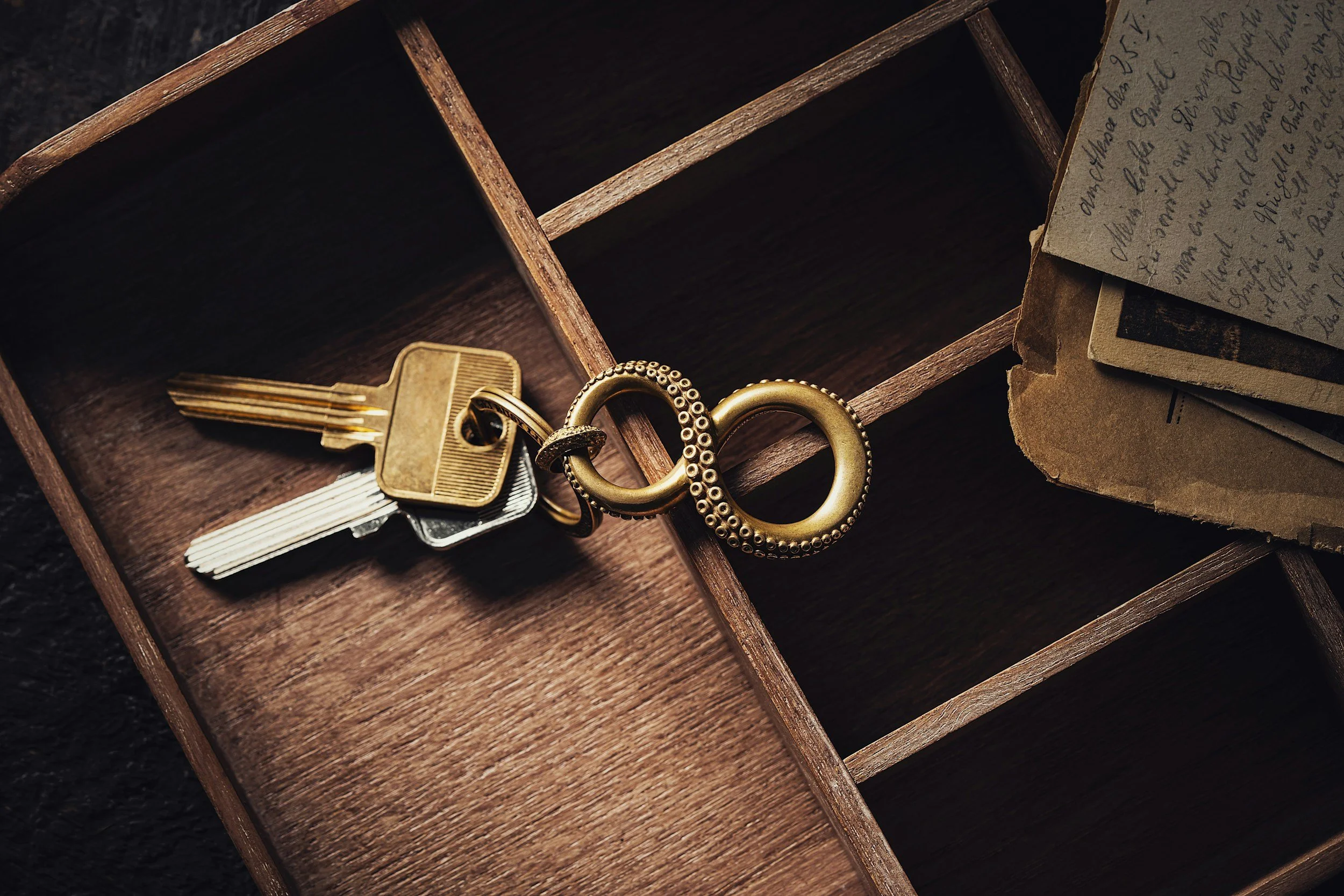
On the drive home, I thought about keys and started filtering all the ways we use keys throughout life. Key to a locker at school, key to a diary, key to your home, key to a locket, key to the car, keys on the keyboard, piano keys, and the term latchkey kids. I can't think of one way to unlock something without a key. And the saying "the key to your heart" – song lyrics sometimes mention a key.
The Word Key
And the saying, "life is a journey, and only you hold the key." And I thought about the phrases of keys, and there are so many that I can't repeat here, but the small word "key" has so many symbols, quotes, and meanings for such a small word. And I thought about this quote, "Don't give up. Normally, it is the last key on the ring, which opens the door." Yep!
When I grew up in rural Michigan, we lived on a farm without keys. My parents didn't lock doors, and I don't think the neighbors did either. We walked off the bus and into the house. That's it. It was a simpler time back then, and it was less complicated to get around without keeping a key around your neck or in your bookbag. But as my siblings and I grew older and had school activities, we moved into town so we all could walk to school; thus, we needed a key to unlock the house.
My own children needed keys to open the house after school, and I can remember saying so many times, "Don't forget your key." And sometimes they did, as young students do.
Why a Key?
There are definite reasons I came up with this title, how it lends itself to the title, and the symbol of a father with a key comes full circle at the end of the story, which I'm not going to reveal here.
First, the word "kismet" refers to fate, destiny, or unexpected coincidence, and is often used to describe a turn of events. This word is the reason I chose it for the title. There are twists and turns in the story, and the simple key that Grace finds in her father's shoe takes her on a journey she didn't expect or want.
Her father has the "key" to unlocking the vital information the main character needs to answer all her questions. But the saying "old keys won't open new doors" is not for the faint of heart in this story. It's an essential symbol in the story. And remember, combining a father and a key represents love, guidance, and family responsibility. In my novel, the key has secrets to unlock, conflicts to resolve, and the honor to her father that she can't lose the key, tell anyone about the key, and keep the key safe.
A Small Silver Key
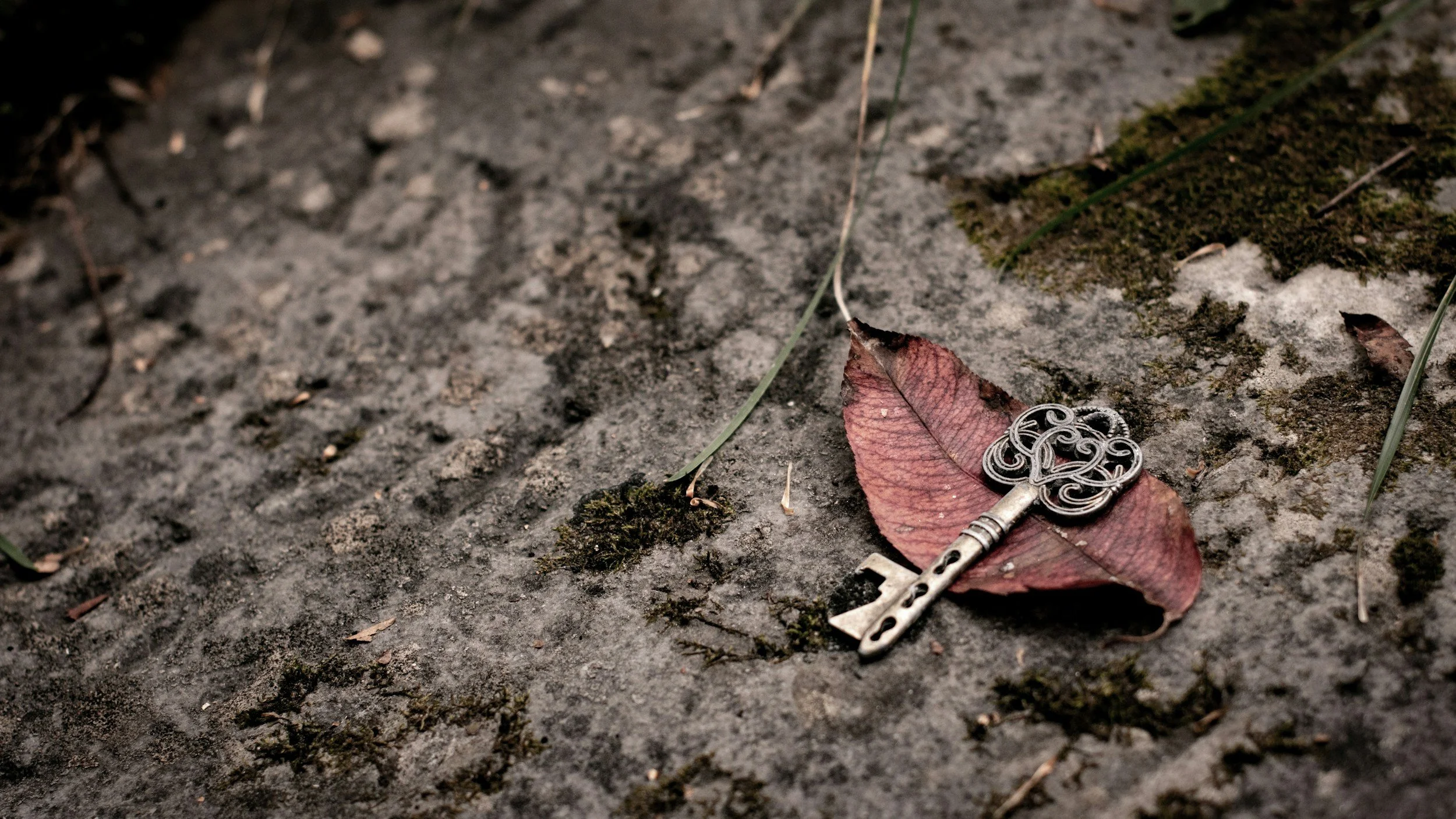
When I wrote the story, I didn't want the key to be something outlandish, heavy, or large. It needed to be small, something you could hold in your hand, and be very aware of its presence, so Grace kept it close. That was the whole point of the key: something so precious that you wouldn't displace it, and always knew its whereabouts.
This small tarnished silver key bonded my character, Grace, with her father in many ways. Although her father passed away, she is left with the key in her pocket, holding it, securing it, telling no one, which ties her father to the undisclosed secrets.
The significance of the key is vital to the story, and a simple key can be vital to one getting into the house, car, or a safe place at the end of the day. How many times have I lost my keys? Many, and yet the sigh of relief when you find this simple, small device.
The Next Time You Think of The Word Key
The word key is in many quotes. "The key is to remember that you have a key." Or "A very little key will open a very heavy door." And I could go on and on. But something to think about from such a small word.
As I think back on that conversation, a couple of things strike me. I don't think my friend realized the depth of the symbol, or had the chance to hear the whole synopsis, which I'll get into in future posts. But maybe I didn't explain it thoroughly in the story. I'll have to think it through again to see if that's the case.
But for me, the key is clear and tied to the entire storyline. It's tied to my character, Grace, her father, the villain in the story, and the mysterious woman her neighbor bludgeoned. A symbol that has many meanings throughout the story. And the one word that I tried to hold to all the meanings I could conjure up to make the word key viable. A little word with so much depth in the story.
So the next time you see this little word "key," it's a reminder of so many quotes – "Education is the key to unlock the golden door of freedom," or "being yourself is the key," and "some doors do not open because the right keys are in the wrong hands."
But the quote I love the most is this: "Don't put the key of your happiness in someone else's pocket."
Keep writing!
Dianne
Enjoyed this post? Subscribe to the Delusion for honest stories from the query trenches—new posts every week or two, no spam, just real talk.