The Simplicity of High School Friendships
Old Friendships
Looking back at all the different people I've connected with during my teaching career, college, and social gatherings, I always come back to my high school friends. You know the ones. The people you could call at any time and pick up right where you left off.
I've reflected on this for a while, and even after moving to the Northeast twenty years ago, it's refreshing to have people you've known since your teenage years and feel comfortable with.
Recently, I've thought about the different personalities I have come across, but something about rural America still holds true. Small towns have camaraderie, mutual help, and lasting relationships, unlike big cities where people seem to move through for a time and leave for jobs or other opportunities.

An Old Schoolhouse - Homemade Pie
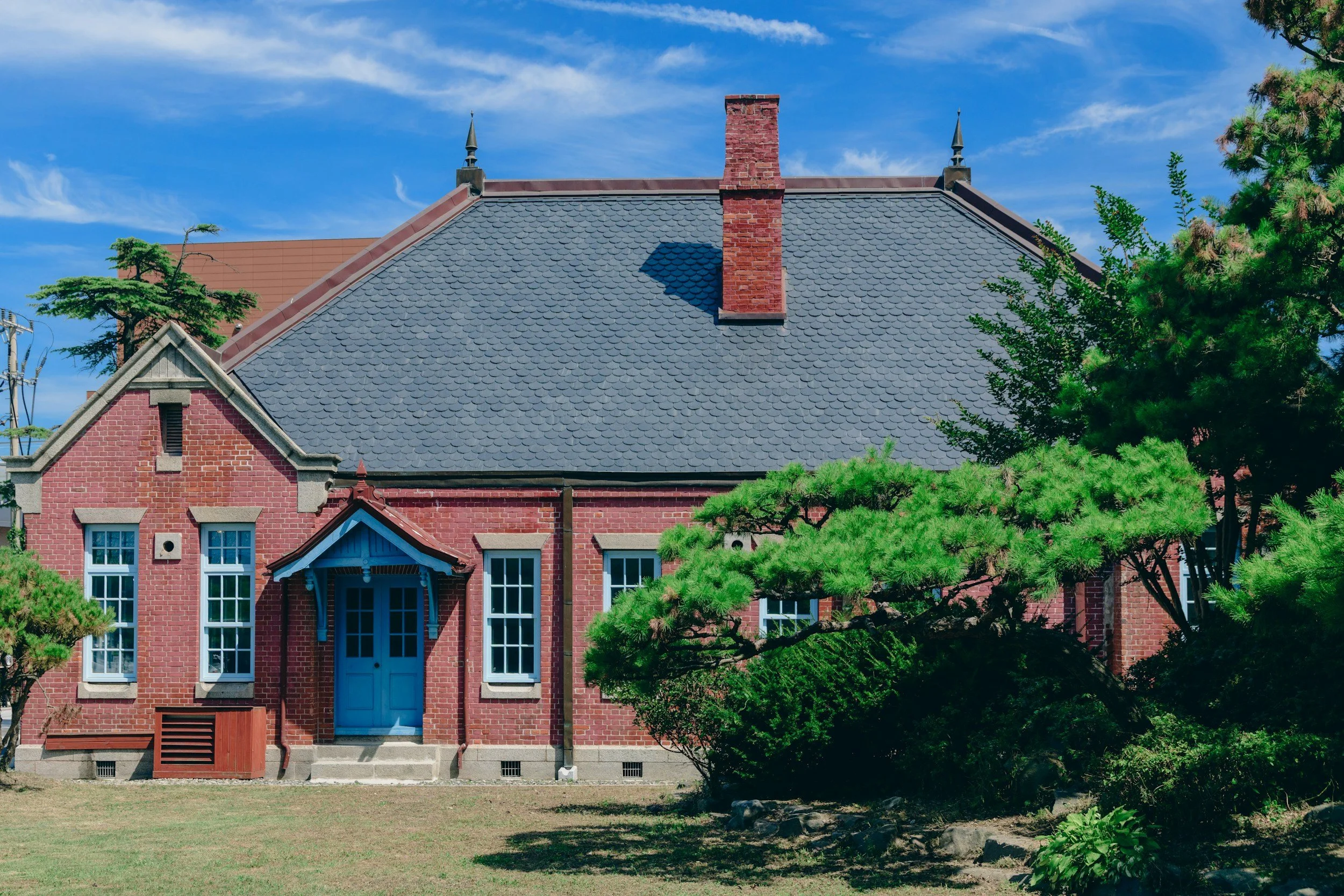
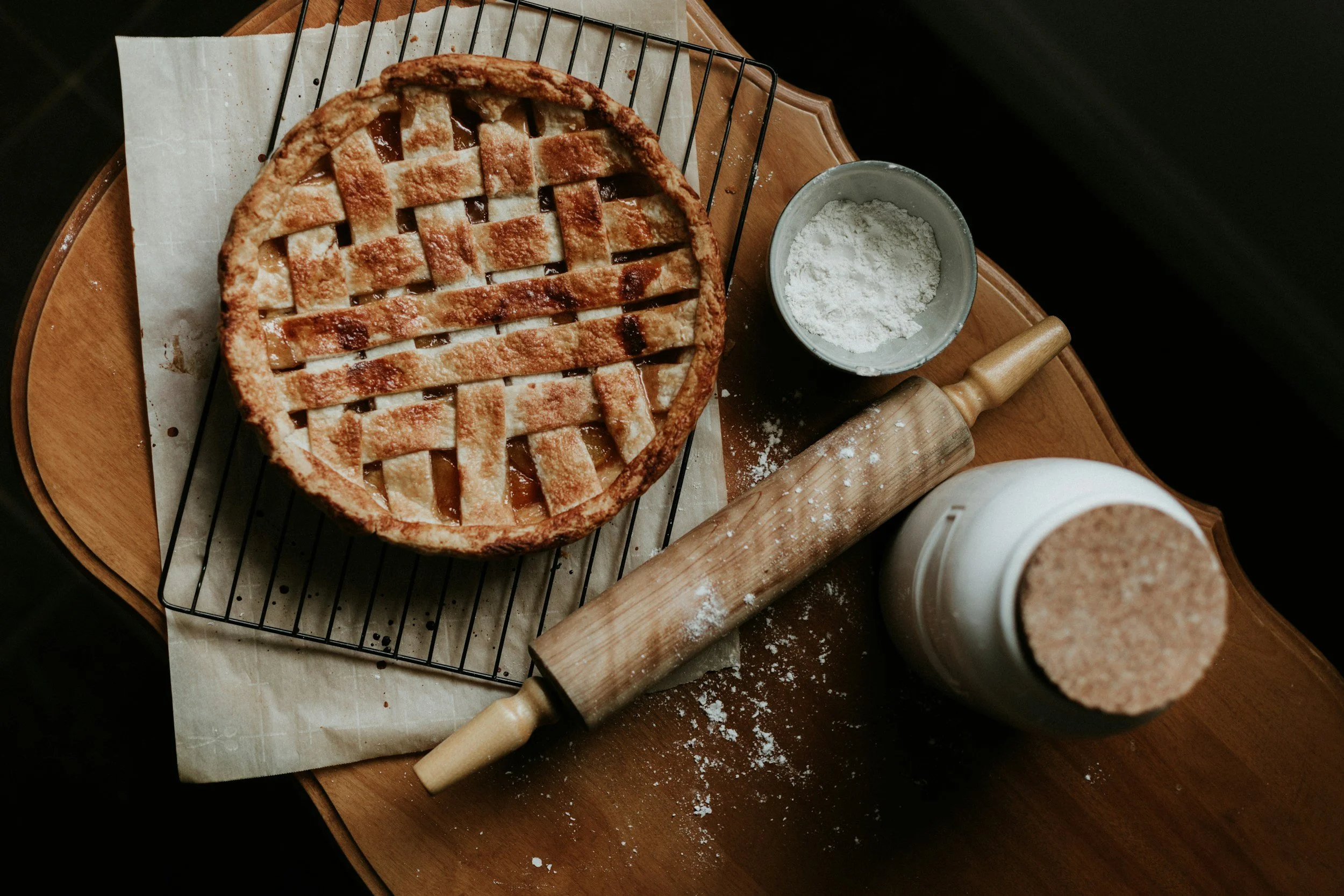
Every other month, a group of us, high school friends now scattered across Michigan and Ohio, meet at a little restaurant that used to be a one-room schoolhouse. It's quaint in the best way: creaky floors, breakfast served any time of day, and pie so good that half the table orders a slice of rhubarb before they've even looked at the actual menu. (I skip dessert every time. Something about a two-hour drive makes me practical about my stops.) This time, the crowd was smaller than usual, which disappointed me a little. But smaller also meant something else: more room actually to listen.
Press One For Pharmacy (Or Don't)
Sandee, our resident church secretary, kicked things off with a quick one, about a call to refill a prescription that turned into an automated loop of "press one for this, press two for that," ending in her saying "pharmacy" into a voice prompt over and over, like she was trying to summon a very stubborn genie who refused to appear. We laughed. Everyone at the table had their own version of that story. It's practically a rite of passage now.
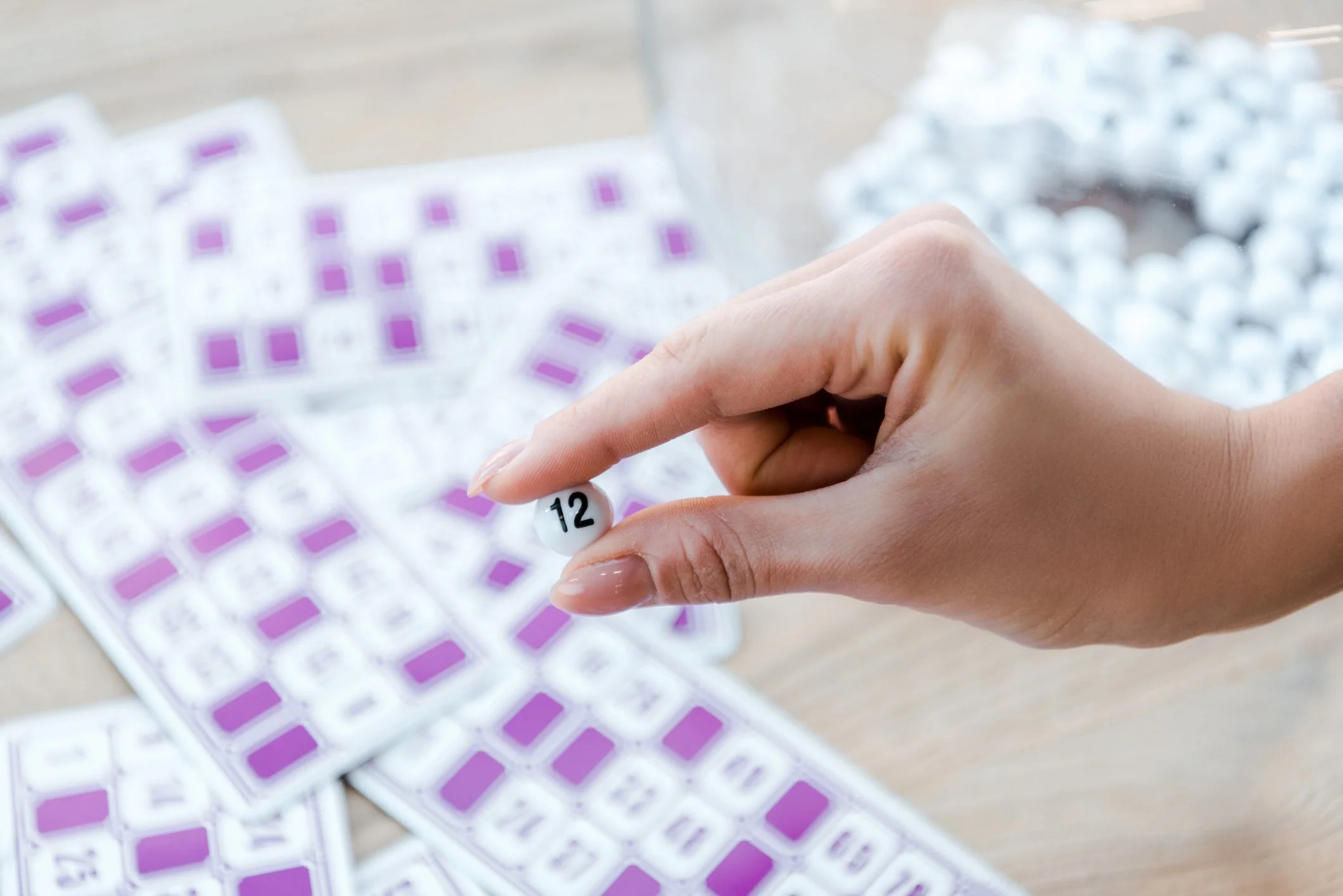
She had one more incident. A bingo caller at her local center recently decided plain numbers weren't dramatic enough. She started singing some, doing voices for others, turning B-12 into a whole production. Sandee's reaction was the same deadpan delivery as always: "Just call the number, for heaven's sake!" The table lost it.
Even I had a story. A few of my friends had read my blog post about the time I lost my manuscript, the one I'd worked on for months, and somehow forgot the Geek Squad exists and can recover almost anything. More laughter, right on cue, when I admitted I eventually found the missing flash drive wedged along a desk drawer's track, right where it had been the whole time.
But Sandee's next story stayed with me longer than any of these.

The Keyboard That Wouldn't Forget
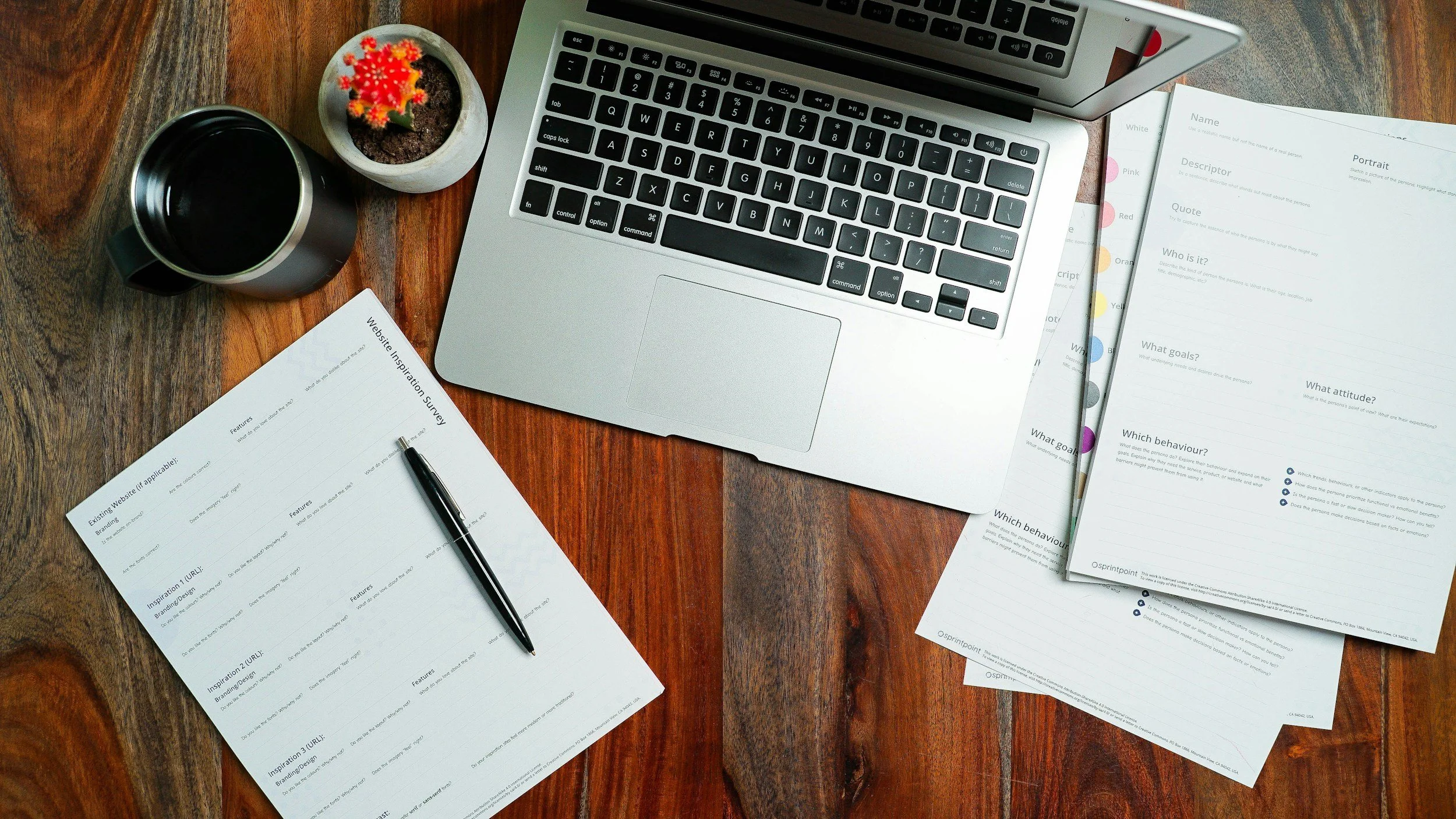
Everyone at Sandee's church had Mac computers, except her. They wanted everyone on the same system so they could all use the same programs, and Sandee fought it for years, clinging to her Dell out of sheer stubbornness. But last October, they finally won. Sandee got her Mac.
But the real trouble wasn't learning the new system. It was the keys.
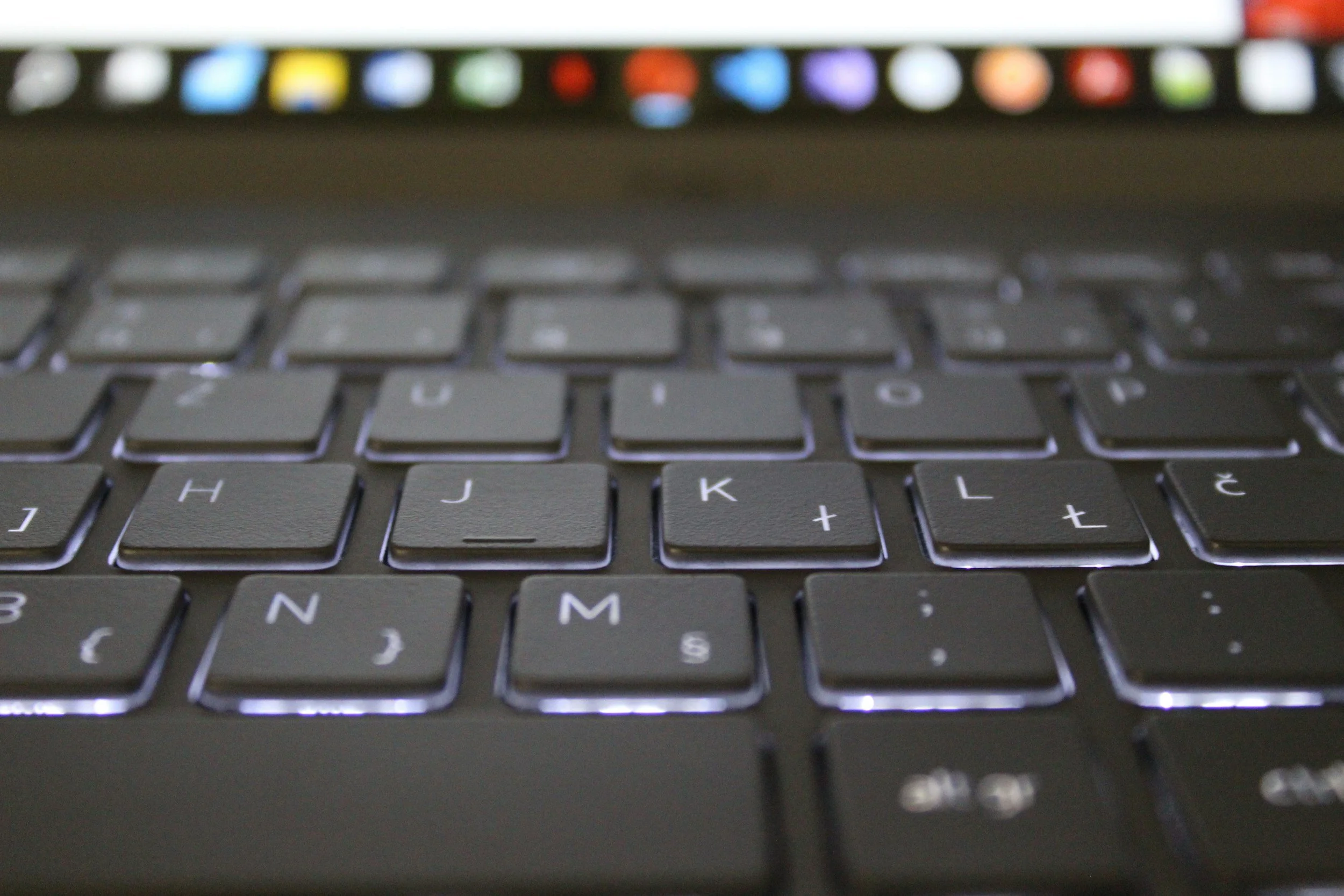
Years ago, Sandee typed thesis papers for students at the University of Michigan; real typing, on keyboards with a satisfying little dip in every key, like an old typewriter. Decades later, her fingers still expected that dip. The Mac's smooth, flat keys constantly threw her off; she made mistake after mistake, not because she didn't understand the computer, but because her hands remembered something the machine didn't.
Listening to her tell it, I found myself thinking less about the joke and more about what it actually takes to unlearn something your body has known for many years. She didn't just quietly struggle through it. She asked for what she actually needed, more than once, until the church finally ordered her a keyboard with real indentation.
It's a small story. But it's not really about keyboards. It's about how much of who we are lives in our hands, in our habits, in the specific way we've always done a thing, and how there's nothing weak about needing your tools to fit you, instead of the other way around.

What It Made Me Think About
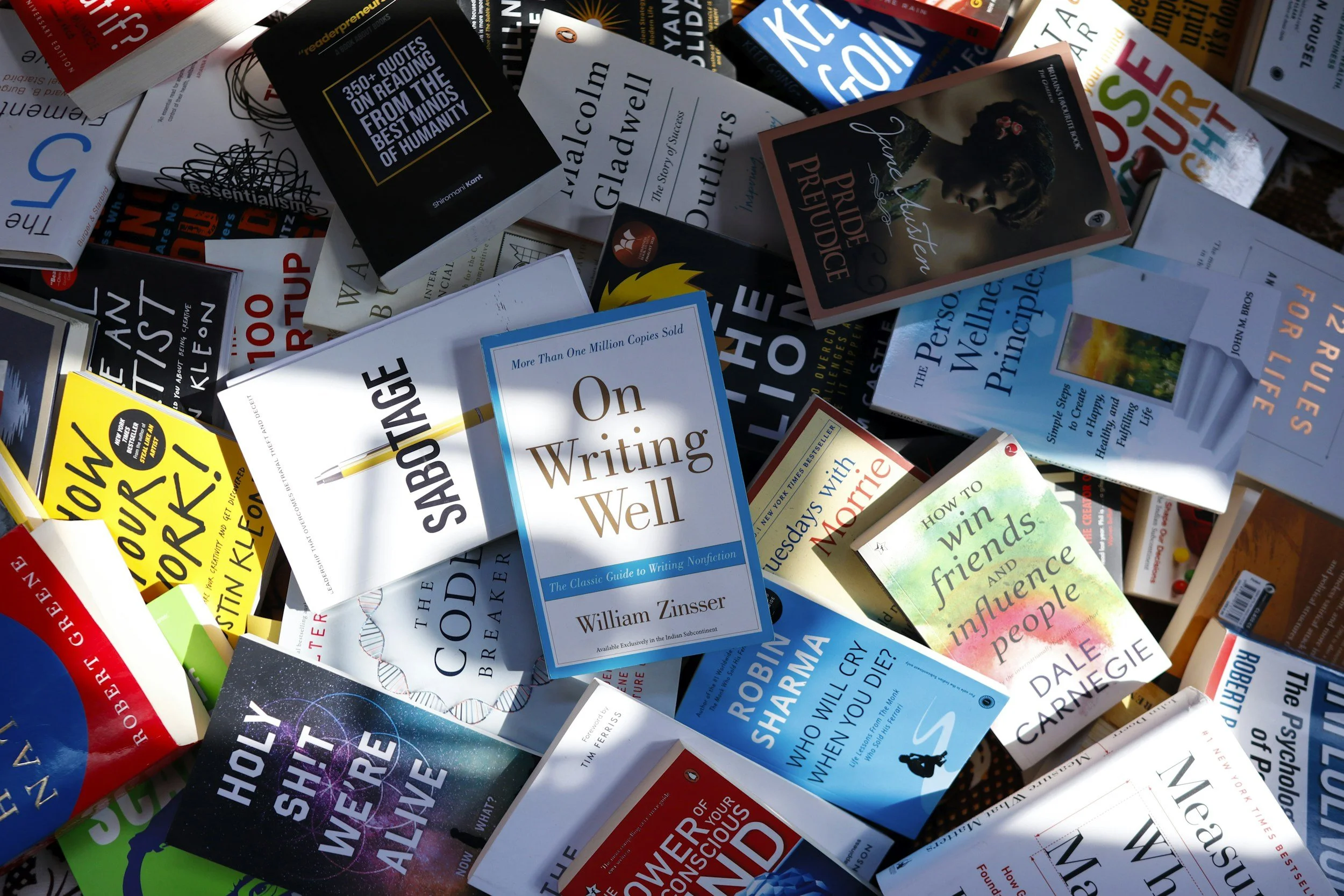
I've spent the last year learning slowly and often clumsily how publishing actually works and how little of it moves at the speed the rest of the world seems to demand now. Query letters sit unanswered for months. A manuscript can wait ninety days with an agent before you hear a single word. Everyone around me seems to want everything instantly: instant replies, instant appliances, instant everything, and here I am, writing a book the old, slow way: one sentence at a time, revised again and again, sent out into the world and waited on.
Listening to Sandee fight for a keyboard that fits the way she'd always worked, I felt something click. I'm not behind. I'm not doing it wrong because it's taking time. Some things like a good sentence, a well-earned skill, many years of muscle memory can't be rushed into something faster just because the rest of the world has moved on without them.
Sandee got her keyboard. I'll get my answer, eventually, one query at a time. Neither of us is in a hurry anymore. We've just decided to be patient with the parts of ourselves that refuse to change on command.
Keep writing.
Dianne
Enjoyed this post? Subscribe to the Delusion for more stories like this one — nature, writing, and the moments that make up a life worth documenting. New posts every week or two, no spam, just real talk.