Overalls, Emerald Suits, and Blue Jeans
What does everyone wear?
After I'd named my characters and figured out who they were, I faced a new question: What do they wear?
Does it even matter what Butch has on when he commits murder, or what Grace wore as an eight-year-old witness?
Turns out, it matters more than I thought.
And I learned that lesson from a woman I met when I was young—a woman in a forest-green suit who I've never forgotten.
The Memory That Changed How I Dress My Characters
One summer when I was barely a teenager, I stayed with my grandmother for an extended visit. She worked cleaning offices for a businessman named Mr. Kuster.
One weekend, Mr. Kuster called and asked if she could clean the boardroom—he had a big meeting on Monday morning. She agreed, but told him she'd need to bring me along because she didn't want me to stay home alone. He said that was fine.
The building was a short distance from my grandmother's home, so we walked. I remember waiting outside for Mr. Kuster to arrive and unlock the front door.
While we stood there, I saw a shiny black car pull up in front of the building.
The passenger door opened.
And out stepped the most beautiful woman I'd ever seen.
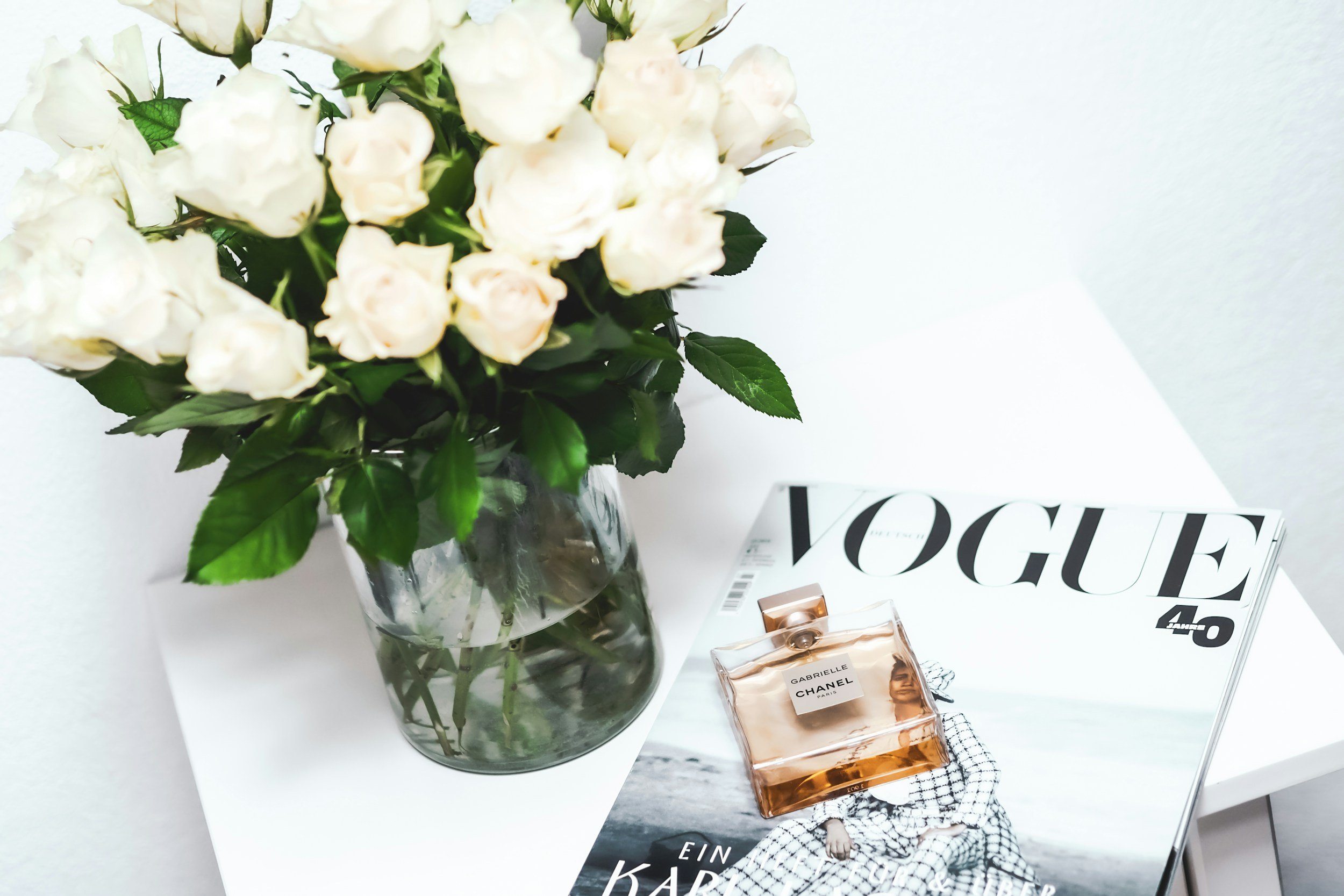
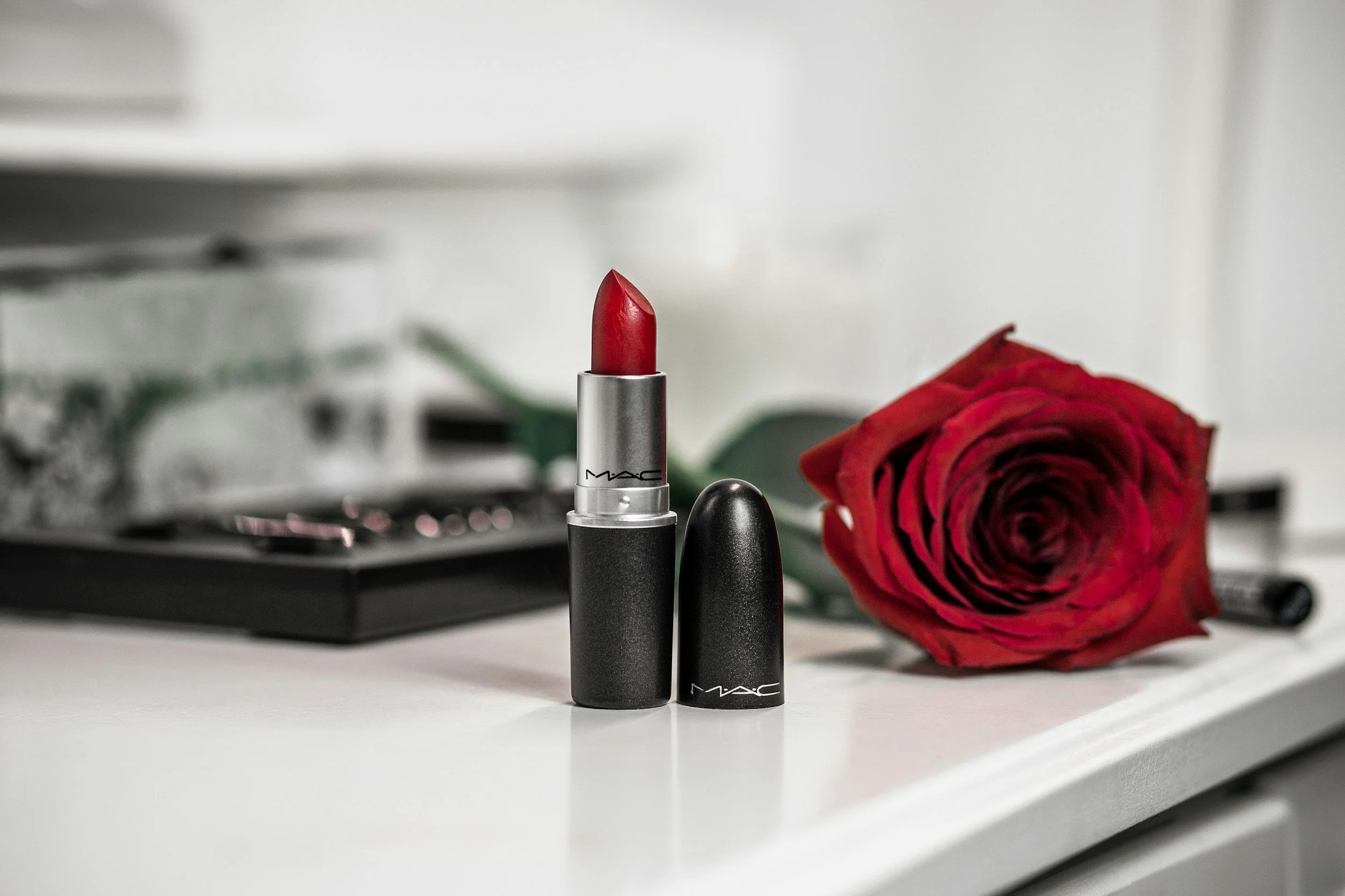
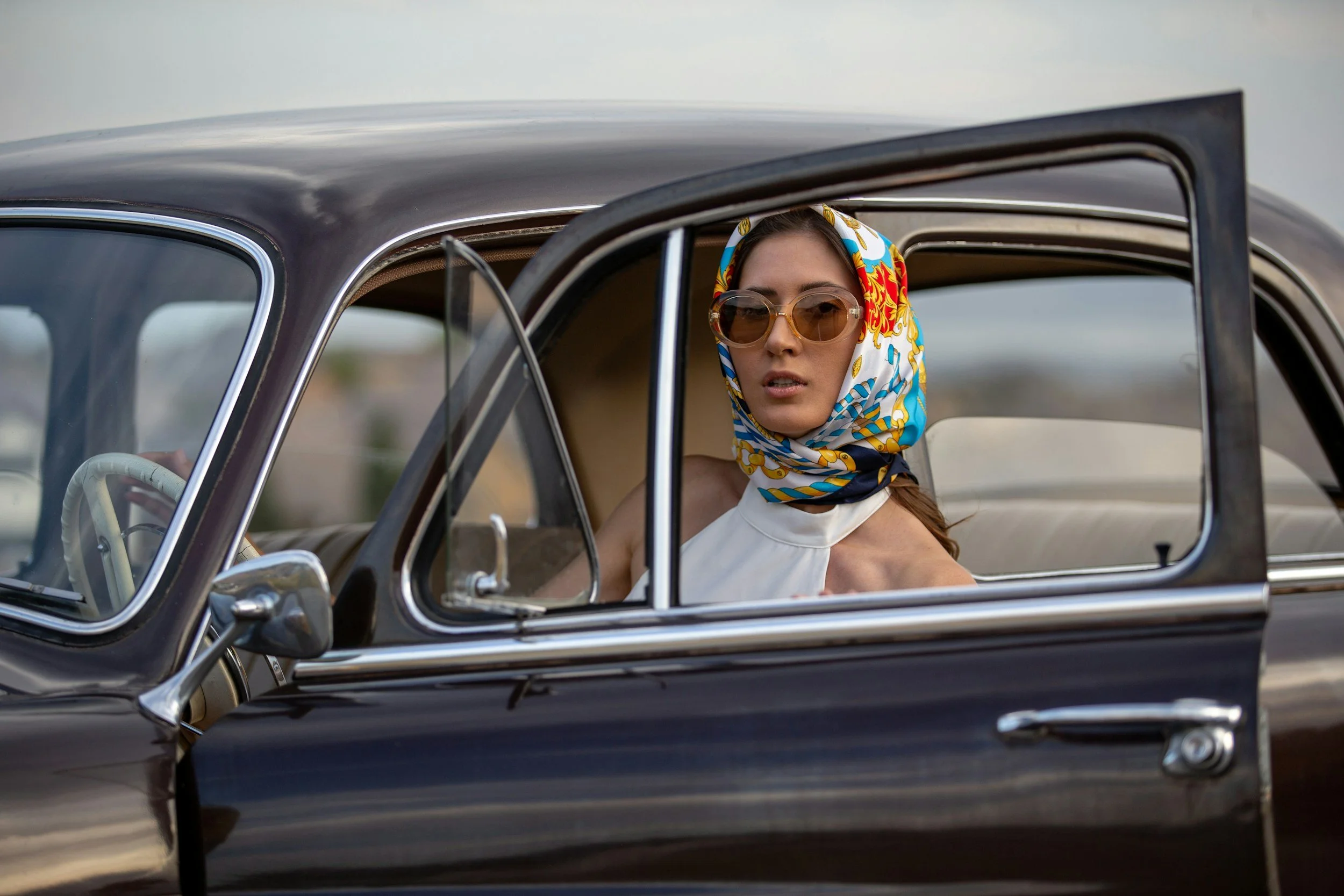
She wore an elegant forest-green suit with gold buttons and matching gloves. She carried a beautiful black purse, wore black pumps with sheer stockings, and wore bright red lipstick.
I stared at her, taking in every detail—the way she moved, the way she held herself, the aura of elegance she carried.
She looked like a movie star.
As Mr. Kuster opened the door for my grandmother, the woman extended her hand.
"Good afternoon, Mrs. Cole. I'm Mrs. Kuster."
She smiled at me as I followed them into the building.
I never forgot her.
Why That Moment Mattered
Impressions matter when you're young, and this experience—seeing someone of such elegance—stuck with me for decades.
From that day on, I noticed what people wore, how they presented themselves. What their clothing said about who they were or who they wanted to be.
When our family moved to New Jersey, and my husband worked in Manhattan, I saw it everywhere—the way people dressed told you their story before they said a word.
And when I started writing my novel, I realized: My characters needed the same attention.
Clothing isn't just fabric. It's personality. It's first impressions. It's how characters present themselves to the world.
Dressing Ann Marie
In the opening scene of my novel, a woman, Ann Marie, is murdered.
But that's not the last you'll see of her. There are flashbacks—moments before the murder where you meet her, understand her, see who she was.
This character became deeply personal to me. I thought long and hard about what Ann Marie wore, how she presented herself, and why she ended up in the wrong place at the wrong time.
And I thought of Mrs. Kuster.
That woman in the forest-green suit stayed with me for decades. And when I needed to dress Ann Marie—a character who needed to command attention, who needed to seem above her circumstances—I borrowed from that memory.
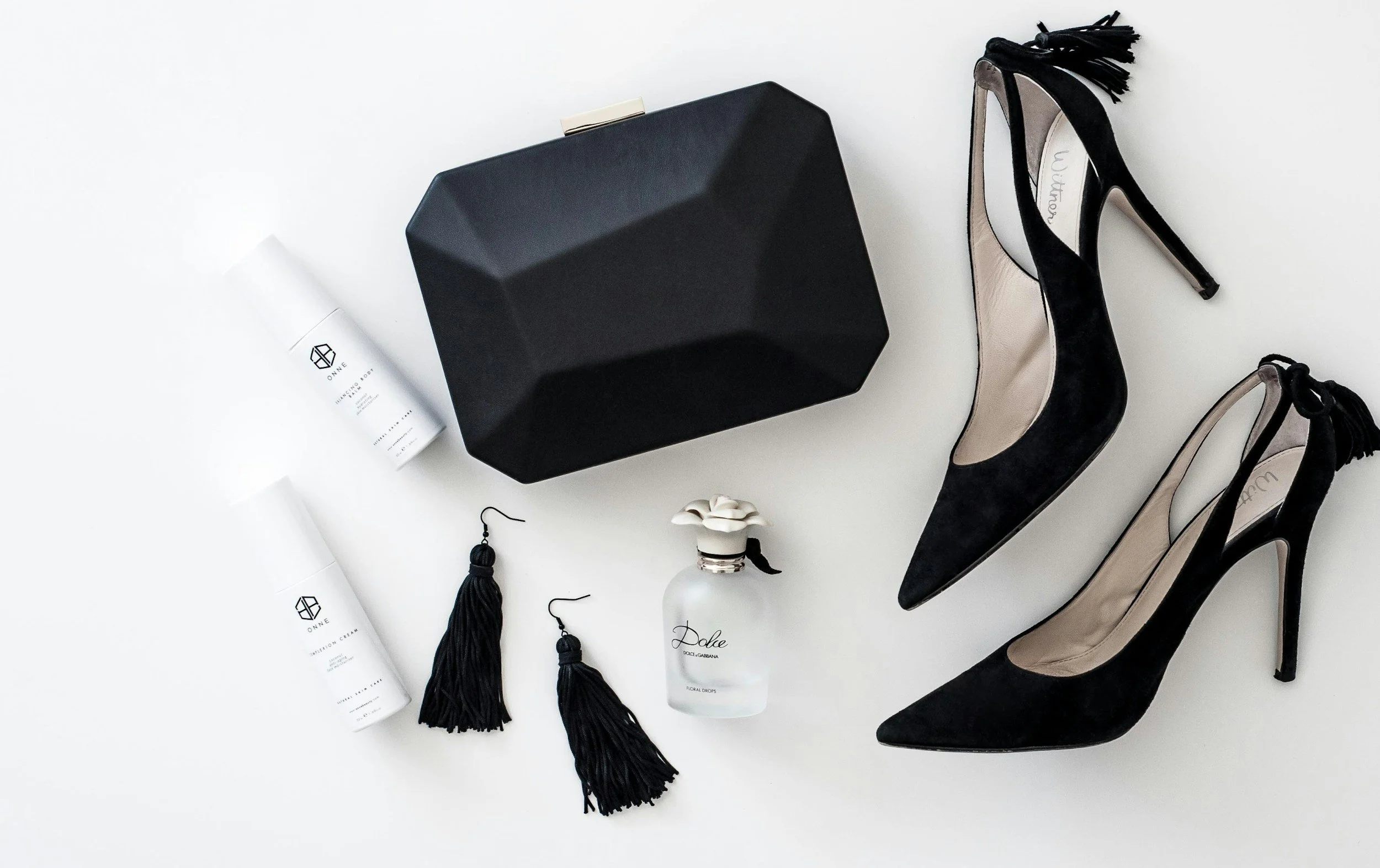
Ann Marie wears an emerald suit. Gold buttons. Black heels. White gloves. She's elegant, polished, out of place in rural Michigan.
Just like the woman I met that day outside my grandmother's office building.
Her clothing tells you everything you need to know about her: She doesn't belong here. She's running from something. She's trying to be someone she's not.

Butch in Overalls
My villain required different inspiration.
When I thought of Butch—the killer, the scary neighbor from my childhood—I didn't see suits or polished shoes.
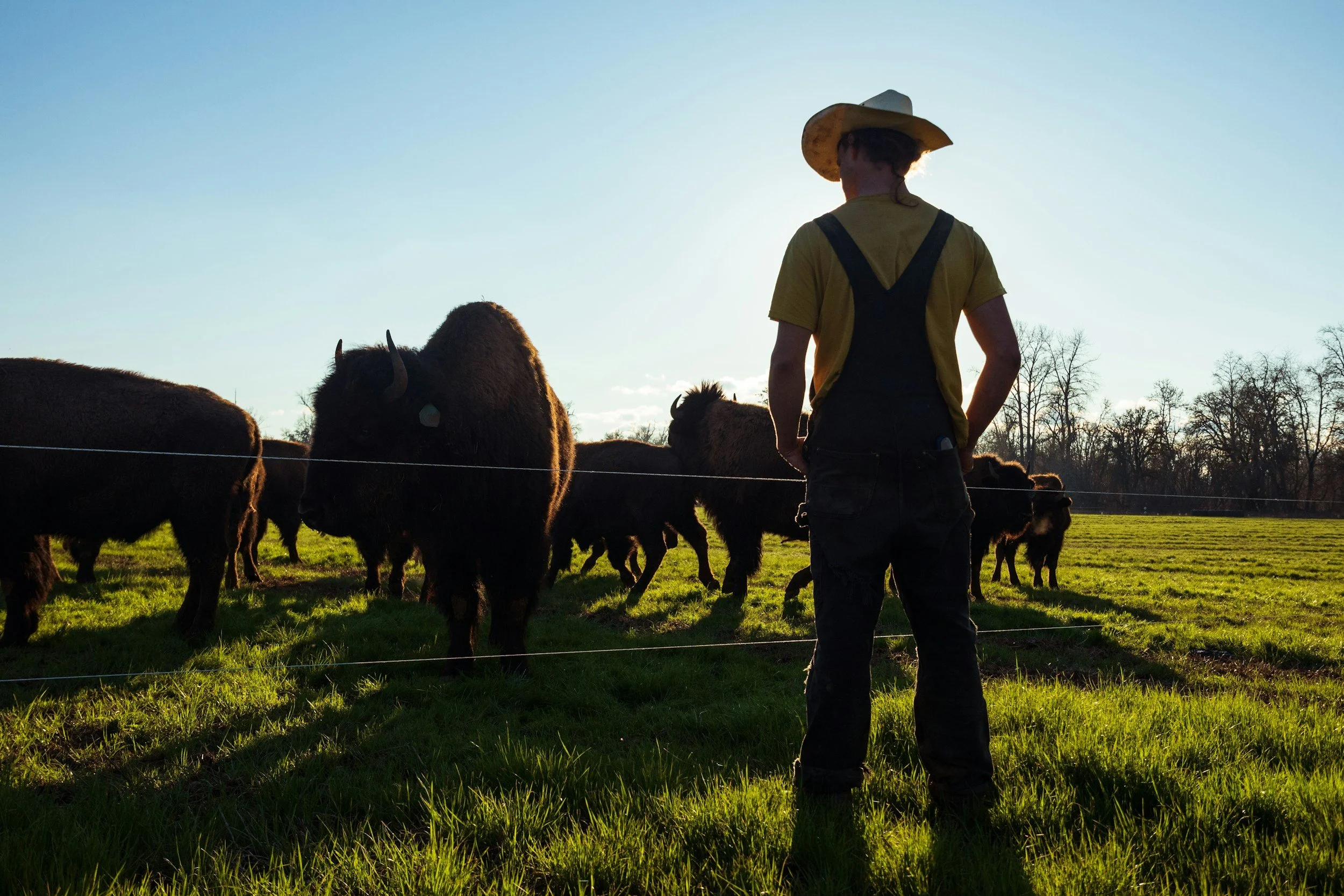
I saw my real neighbor: old bib overalls, a dirty T-shirt underneath, a cigar hanging from the side of his mouth, and a stained handkerchief stuffed in his back pocket.
In the story, Butch had been a factory worker, a farmer, a car mechanic. Blue-collar, rough around the edges, intimidating.
His clothing needed to match that reality.
So I dressed him exactly as I remembered: overalls, work boots, gruff voice, large stature.
A wardrobe represents a character's personality—the way they present themselves to the world. I'm a visual person, so it was easy to bring Butch back in my mind: what he looked like, what he wore, how he carried himself.
And how terrifying he was.

Grace in Blue Jeans
Grace was the easiest to dress.
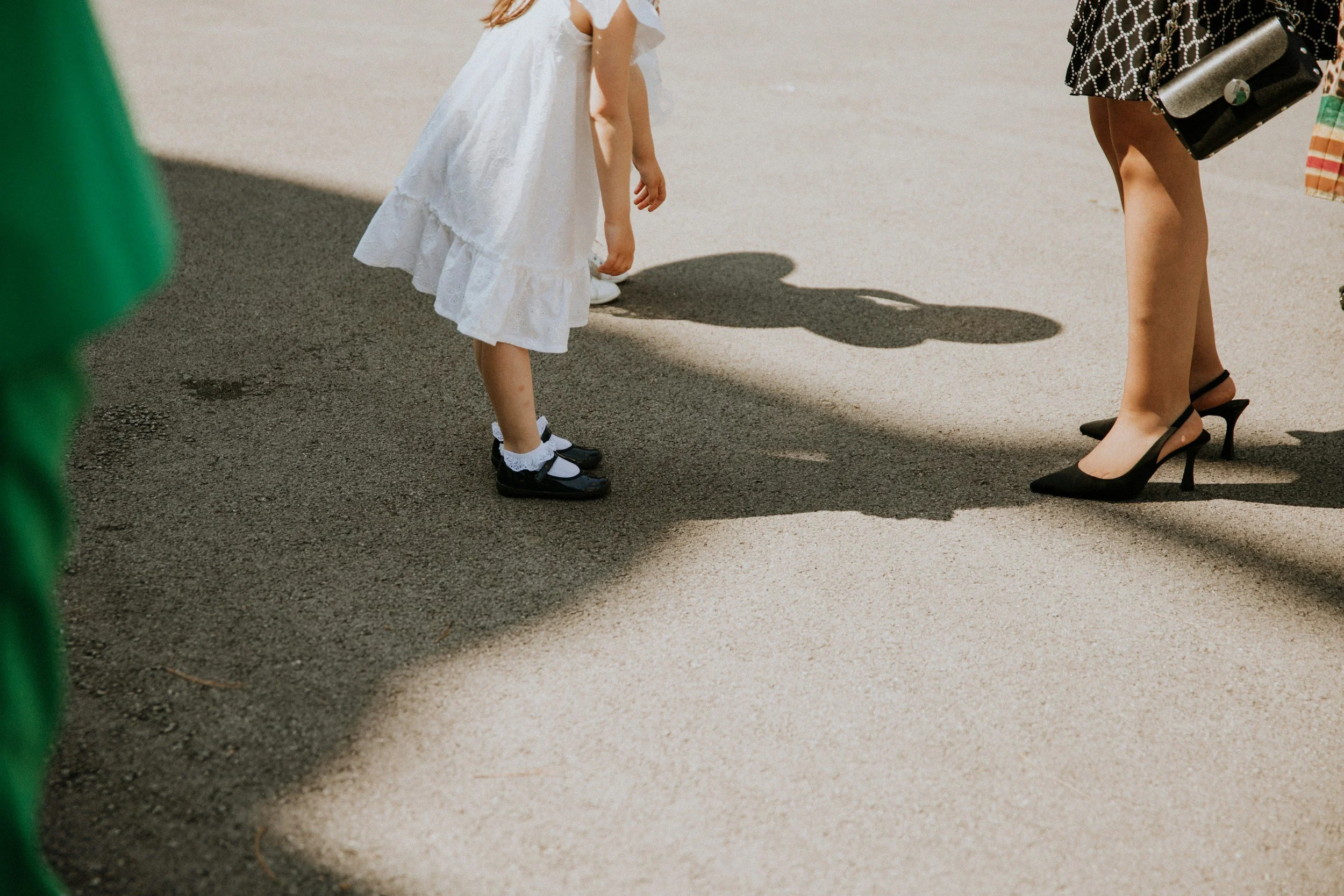
She's kind, shy, and withdrawn. As a child in rural Michigan, she wore what every kid wore: blue jeans, simple shirts, worn-in shoes.
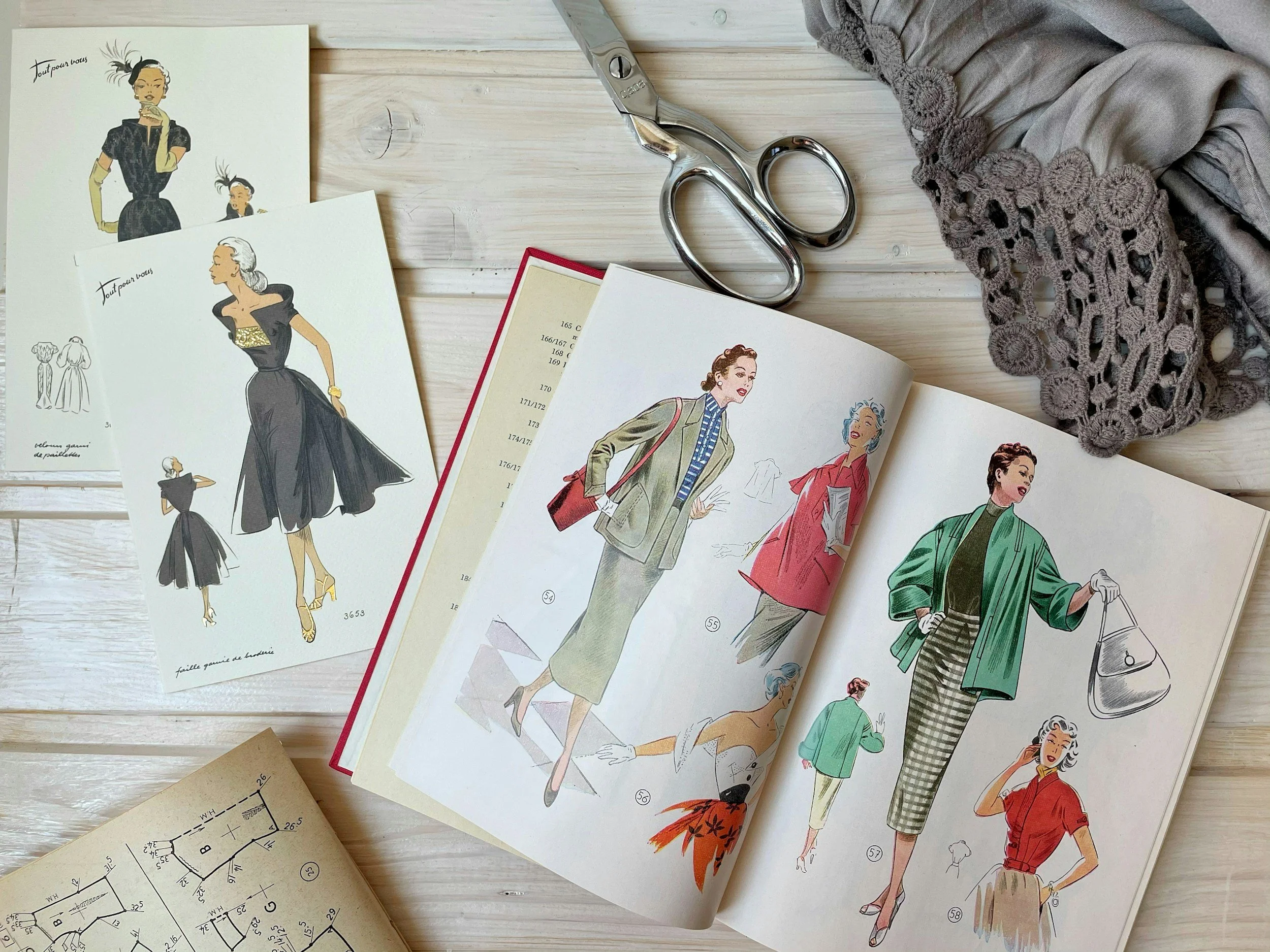
I had plenty of inspiration—old photos my grandmother kept in containers on her table. I loved rummaging through those pictures. Everyone dressed up back then. I never saw my grandfather without a suit, or my grandmother in pants. She always wore a dress, even when she was cleaning.
Those vintage photos taught me how people dressed in different eras, and I incorporated that into the novel.
Later in the story, Grace becomes a teacher. I drew on my own experience in education—what teachers wore, how we presented ourselves, the balance between professional and approachable.
Grace's clothing reflects who she is: simple, unassuming, trying not to be noticed.
The opposite of Ann Marie in her emerald suit.
Why Clothing Matters in Storytelling
Think about all the people you meet in real life. They all dress a certain way. Their clothing conveys social standing, personality, mood—whether they realize it or not.
Rebellious. Flashy. Subdued. Introverted. Extroverted.
Clothing sets the stage for first impressions.
You wouldn't dress all your characters the same way—that's boring. But more importantly, it's inaccurate. People are different. Their clothing should reflect that.
In my novel:
Ann Marie wears an emerald suit because she's trying to project elegance and control
Butch wears overalls because he's rough, working-class, intimidating
Grace wears jeans and simple shirts because she wants to blend in, stay safe, and become invisible.
Their wardrobes tell you who they are before they say a word.
For Writers: How to Dress Your Characters
Here's what I learned:
Draw from real life. That woman in the forest-green suit gave me Ann Marie's wardrobe. My scary neighbor gave me Butch's overalls. My grandmother's photos gave me Grace's childhood clothes.
Think about personality. What does this character want the world to see? What are they hiding? What's the gap between who they are and who they're trying to be?
Use clothing to show contrast. Ann Marie, in an emerald suit, stands out in rural Michigan. That's the point. Grace in plain jeans blends in. That's also the point.
Pay attention to details. Gold buttons. Sheer stockings. A dirty handkerchief. These small details make characters real.
Consider the era. My grandmother never wore pants. That detail mattered for the flashback scenes.
The next time you're reading a book, pay attention to what the characters wear. Notice how authors use clothing to reveal personality, mood, and status.
It might inspire you to dress your own characters in new ways.
Next time: Notice what people wear. You never know when a woman in a forest-green suit will walk into your life and change how you see your characters.
- Dianne