Task – Emailing Authors
Mark, my writing mentor, lives on the West Coast, and we talked by phone from time to time to brainstorm the next step. On one of those calls, he had my query letter in front of him. "You need to reach out to authors in your genre."
I stared at the receiver. "Reach out? To whom?"
"Reaching out to authors you admire. Authors whose books are similar to yours. Let them know about your novel. See if they'd be willing to look at it once it's published."
My stomach dropped.
I'm an introvert. I don't even like asking my neighbor for help, let alone reaching out to famous authors about my unpublished novel.
But I had to try.

Finding Comparable Titles
Before I could reach out to anyone, I needed to figure out which books were similar to mine.
The task meant research. A lot of research.
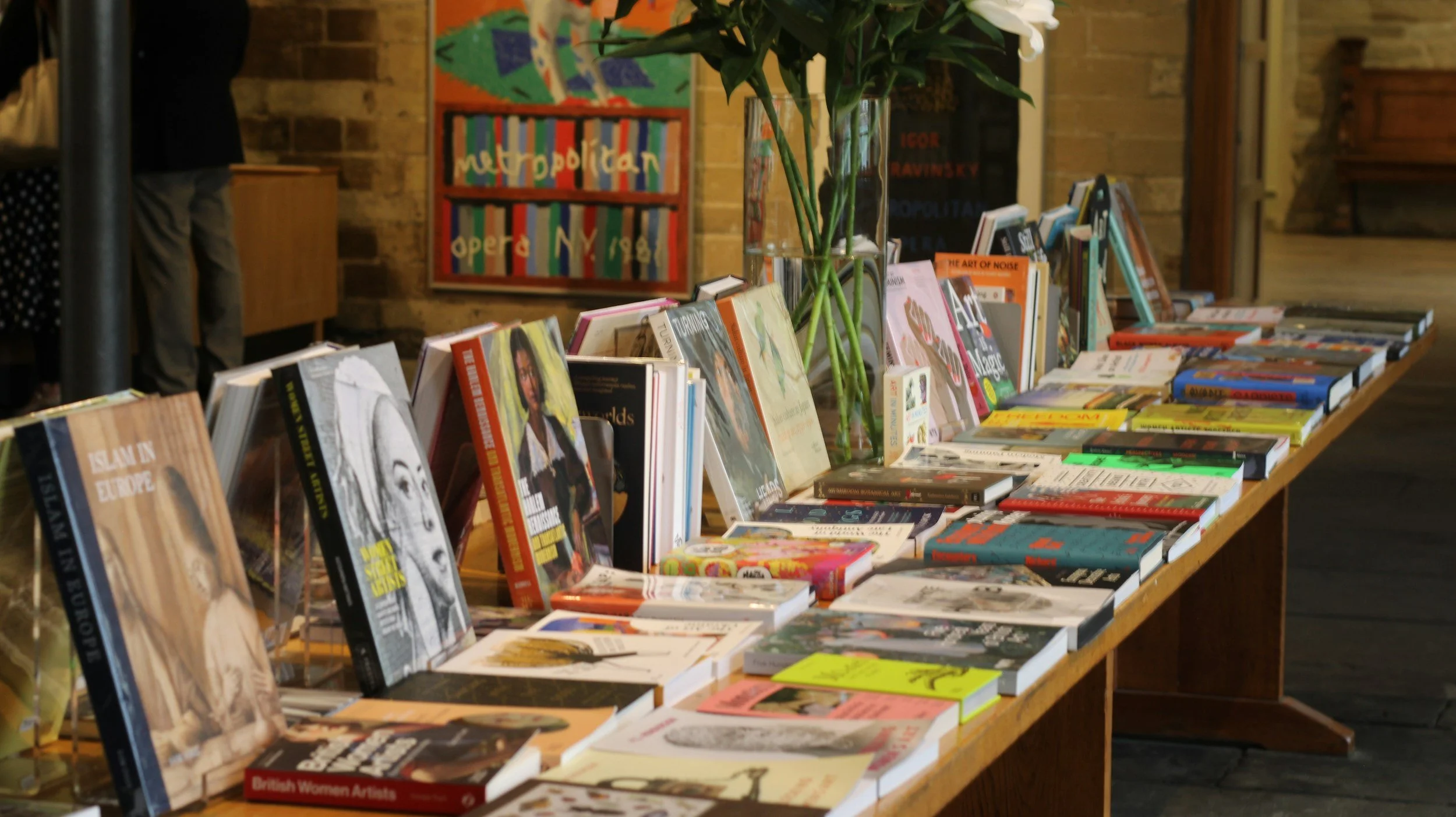
I started looking everywhere: the current bestsellers on the New York Times list, the websites of authors I admired, and walking through Barnes & Noble to see what was displayed on the tables.
It was exhausting. But I had to start somewhere.
One of the best resources I found was Goodreads. You can search by genre, see new releases, read reviews, and click on any book cover to see a full summary. It's an incredible tool for finding comp titles in your specific genre.
After the initial overwhelm wore off, finding comparable books became easier.
I looked for novels published within the last three to five years. I needed books that matched my setting (small town), my themes (childhood trauma, family secrets), and my genre (psychological thriller).
One book I’d recently read was All Good People Here by Ashley Flowers. It had the same small-town setting as my novel. Perfect comp.
That part of the research wasn't as difficult as I'd feared. Once I dove into the process, it became manageable.

The Terrifying Part: Reaching Out
Finding comp titles was one thing.
Emailing the authors who wrote them? That was terrifying.
Who was I to ask bestselling authors for anything? I wasn't a published author. I didn't have an agent. I was nobody.
But Mark said it would help. So I took a deep breath and started.
I made a list of authors whose books were similar to mine. Then I read their bios on their websites to see if they were open to receiving emails from readers or aspiring writers.
Most bestselling authors do have websites with some form of contact information.
I chose a few authors and wrote personal emails to them. I didn't send generic mass messages. I told each one specifically what I admired about their writing and tried to connect with something they'd written about in their books or bios.
The research took time. But I didn't want to email authors cold without knowing anything about them.

Grist Mill Road
One of the first authors I reached out to was Christopher Yates, author of Grist Mill Road.
I loved his title. And his mystery was set around the same time period as mine.
But here's what made me decide to email him: I was living in New Jersey at the time, and every day on my commute to school, I passed a road called "Grist Mill Road."
I thought maybe that's where he found the title.
So, I emailed him. I introduced myself, told him I enjoyed his novel, and asked if that New Jersey road had inspired his title.
Within a few days, I got a response.
He thanked me for the kind words, said he liked the plot of my novel, and then told me this:
He lives in upstate New York. One day, while driving on the interstate, he passed under a road sign that said "Grist Mill Road" and thought, "That's the title of my next novel."
He had no idea what the book would be about at that point. He just knew he had his title.
He told me that once my search for an agent was successful, he’d be glad to take a look at my book. A published author, willing to read my work. I couldn’t believe it.
The Night Olivia Fell
I also reached out to Christina McDonald, author of The Night Olivia Fell.
I'd read her book and loved the emotional depth and the mystery of a mother-daughter relationship.
I sent her a brief email thanking her for her novel and mentioning that I was working on my own psychological thriller.
She responded quickly, thanked me for my kind words, and encouraged me to keep her posted about my book, saying it sounded intriguing.
Another author willing to listen. Willing to encourage.


Behind the Red Door
Megan Collins, author of Behind the Red Door, was next on my list.
Her psychological suspense novel had the family secrets and dark twists I loved. I told her so in my email.
She wrote back that my email had made her day, said my novel sounded fantastic, and told me she’d be happy to receive a galley if it’s published.
She'd be happy to receive a galley. To read my book. To consider it.
I was stunned.
All Good People Here
Ashley Flowers was the most intimidating person on my list.
She's a New York Times bestselling author. She hosts the Crime Junkie podcast, which has millions of listeners. Her debut novel, All Good People Here, was everywhere.
And I was nobody.
But I reached out anyway.
I sent an email through her website contact form, telling her how much I'd loved her book and how my novel had a similar small-town setting.
I got a response from her team at Audiochuck. They thanked me for supporting Ashley's book, congratulated me on writing a novel.
It wasn't a personal response from Ashley herself. But it was an open door.


What I Learned
I've reached out to several bestselling authors over the past few years.
And I've never—not once—received a rude response.
The authors are kind. They're considerate. They remember what it's like to be where you are, trying to break into this industry.
They want to help.
Megan Collins said she’d be happy to receive a galley, and Ashley Flowers’ team shared their office address in case I wanted to send something.
Some said they'd be willing to read my book once it's published. Some offered advice. Some just sent kind words.
But none of them ignored me. None of them dismissed me.
For Writers
If you're trying to find comp titles for your query letter or you want to connect with authors in your genre, here's what I learned:
Finding Comps:
Use Goodreads to search by genre and see summaries
Look for novels published within the last three to five years—anything older than that is out of date.
Find books with similar settings, themes, or tone—not necessarily plot
Read the books you're considering as comps (agents can tell if you haven't)
Reaching Out to Authors:
Check their websites to see if they're open to emails
Write personal messages—mention something specific about their work
Don't send generic mass emails
Keep it brief and respectful
Don't ask for anything up front—introduce yourself and your work
Be prepared to wait (they're busy)
Be gracious whether they respond or not
What to Expect:
Some won't respond (they're overwhelmed with messages)
Some will send kind encouragement
Some might be willing to read your book once it's published
Very few will offer to read an unpublished manuscript (and that's okay!)
The Most Important Thing: Don't be afraid to reach out.
Authors are human. They were once unpublished writers sending emails and hoping for responses.
Most of them remember. And most of them want to help.


Where I Am Now
Megan Collins has said she’d be happy to receive a galley once THE KISMET KEY is published, and Ashley Flowers’ team kindly shared their office address in case I wanted to send something.
Does this guarantee anything? No.
But it shows that established authors in my genre are willing to consider my work. It shows I've done my research. It shows I'm building connections in the publishing community.
And it reminds me, on the hard days when the rejections pile up, that people who've made it in this industry think my book is worth reading.
That matters.
Final Thoughts
I never thought bestselling authors would respond to me.
But Christopher Yates did. Christina McDonald did. Megan Collins did. Ashley Flowers' team did.
They were kind. Encouraging. Willing to help.
So, if you're sitting there thinking, I could never reach out to that author—try anyway.
Be genuine. Be specific about what you admire in the author's work. Be respectful of their time.
The worst they can say is no.
And they might say yes.
In the meantime, keep writing! Dianne
Enjoyed this post? Subscribe to the Delusion for honest stories from the query trenches—new posts every week or two, no spam, just real talk.